








Request Quote
(Ships tomorrow)
TSH22ID Equivalent & Substitute Parts
Part Overview
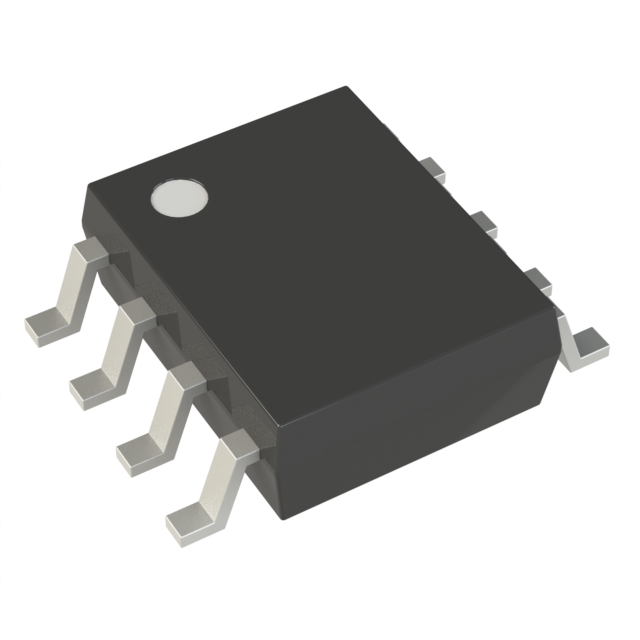
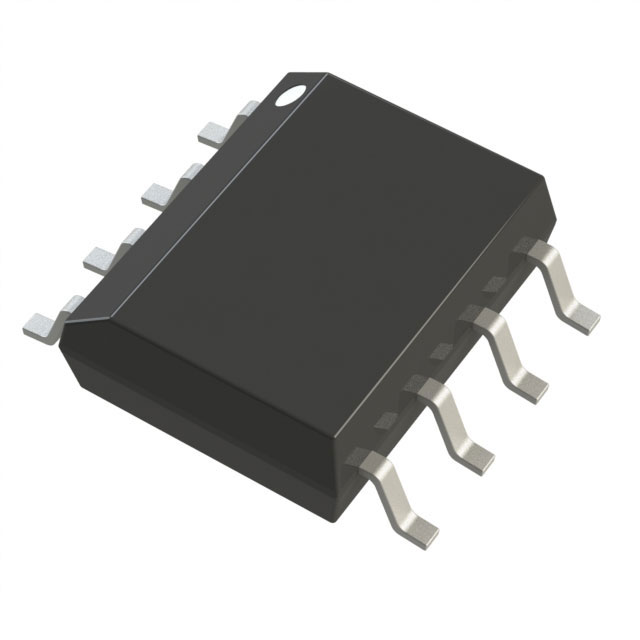
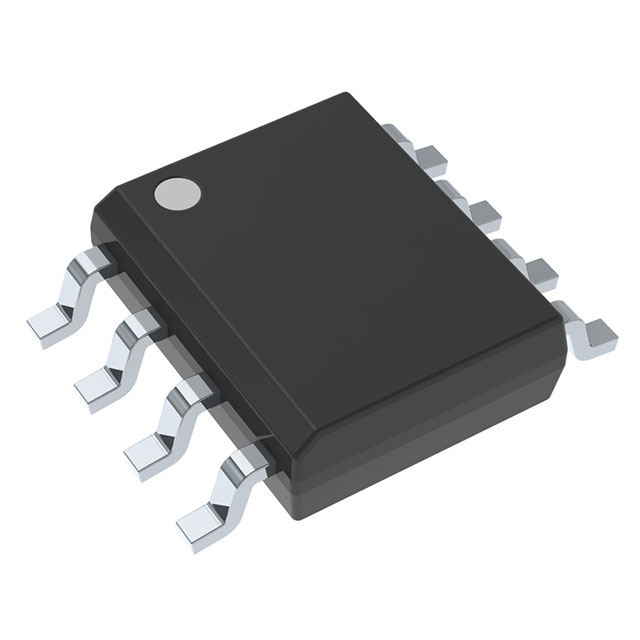
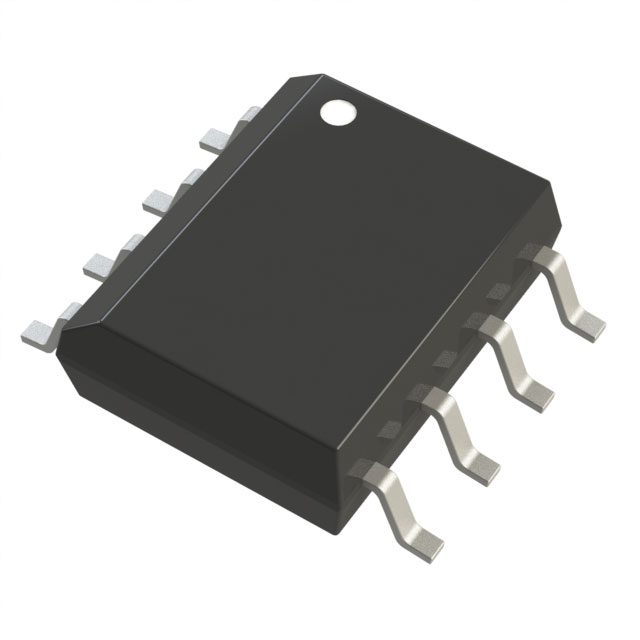
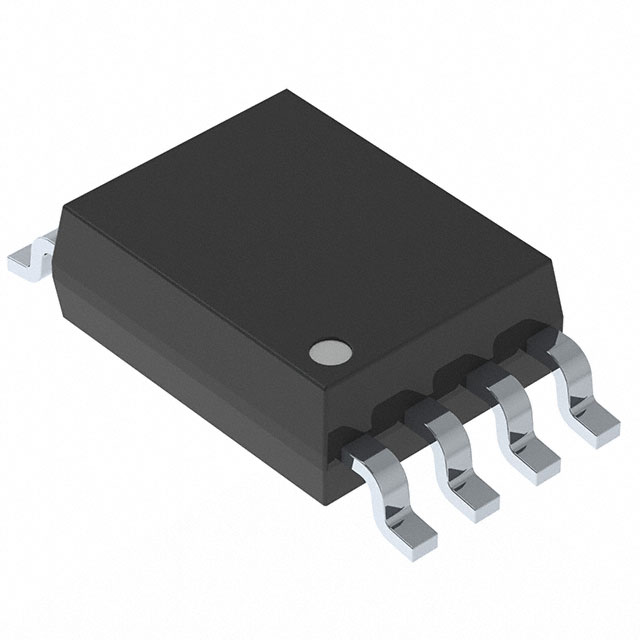
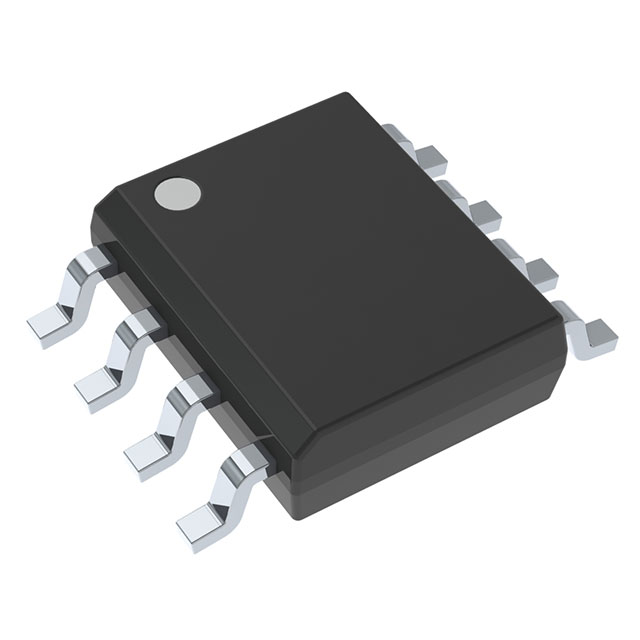
The TSH22ID is a general-purpose operational amplifier manufactured by STMicroelectronics, configured as a dual-channel (2 circuit) device in an 8-SOIC surface mount package. This component is classified as obsolete, indicating discontinued production and limited availability through standard distribution channels. The identification of equivalent and substitute parts is necessary to maintain design continuity and ensure project feasibility when original inventory becomes depleted or unavailable.
Substiute Parts
Key Parameters
| Parameter | Value |
|---|---|
| Manufacturer Part Number | TSH22ID |
| Manufacturer | STMicroelectronics |
| Category | Linear, Amplifiers |
| Amplifier Type | General Purpose |
| Number of Circuits | 2 |
| Package / Case | 8-SOIC (0.154", 3.90mm Width) |
| Mounting Type | Surface Mount |
| Slew Rate | 15 V/µs |
| Gain Bandwidth Product | 25 MHz |
| Current - Input Bias | 100 nA |
| Voltage - Input Offset | 2.5 mV |
| Current - Supply | 2.15 mA |
| Current - Output / Channel | 37 mA |
| Voltage - Supply Span (Min) | 3 V |
| Voltage - Supply Span (Max) | 30 V |
| Operating Temperature | -40°C ~ 125°C |
| Product Status | Obsolete |
| RoHS Status | ROHS3 Compliant |
| Moisture Sensitivity Level (MSL) | 1 (Unlimited) |
Substitute Part Grouping Explanation
Substitution of the TSH22ID is determined by the following critical parameters:
Package Compatibility: The 8-SOIC surface mount package (0.154", 3.90mm width) is the primary mechanical constraint. All substitute parts must use identical or functionally equivalent packaging to ensure PCB layout compatibility without redesign.
Electrical Performance Envelope: Substitute parts must operate within the supply voltage range of 3 V to 30 V minimum and maximum. The dual-channel configuration (2 circuits) is mandatory for direct substitution. Operating temperature range of -40°C to 125°C establishes the thermal operating envelope.
Functional Characteristics: General-purpose amplifier topology with slew rate of 15 V/µs and gain bandwidth product of 25 MHz define the frequency response and transient performance requirements. Input bias current of 100 nA, input offset voltage of 2.5 mV, and output current capability of 37 mA per channel establish the signal fidelity and drive capability parameters.
Compliance Requirements: RoHS3 compliance and MSL rating of 1 (unlimited moisture sensitivity) are mandatory for substitution in regulated applications.
Substitute parts are grouped into two categories: Direct Equivalents (general-purpose amplifiers with matching electrical performance) and Functional Alternatives (amplifiers with different topologies or performance characteristics that may operate in the same circuit with design verification).
Parameter Comparison
| Parameter | TSH22ID | ADTL082ARZ | ADTL082ARZ-REEL | ADTL082ARZ-REEL7 | AS358MTR-G1 | BA3472F-E2 | LM258AMDREP | LM833M/NOPB | LT1208CS8#PBF | LT1208CS8#TRPBF | LT1211CS8#PBF |
|---|---|---|---|---|---|---|---|---|---|---|---|
| Manufacturer | STMicroelectronics | Analog Devices Inc. | Analog Devices Inc. | Analog Devices Inc. | Diodes Incorporated | Rohm Semiconductor | Texas Instruments | Texas Instruments | Analog Devices Inc. | Analog Devices Inc. | Analog Devices Inc. |
| Amplifier Type | General Purpose | J-FET | J-FET | J-FET | General Purpose | General Purpose | General Purpose | Audio | General Purpose | General Purpose | General Purpose |
| Number of Circuits | 2 | 2 | 2 | 2 | 2 | 2 | 2 | 2 | 2 | 2 | 2 |
| Package / Case | 8-SOIC (0.154", 3.90mm) | 8-SOIC (0.154", 3.90mm) | 8-SOIC (0.154", 3.90mm) | 8-SOIC (0.154", 3.90mm) | 8-SOIC (0.154", 3.90mm) | 8-SOIC (0.173", 4.40mm) | 8-SOIC (0.154", 3.90mm) | 8-SOIC (0.154", 3.90mm) | 8-SOIC (0.154", 3.90mm) | 8-SOIC (0.154", 3.90mm) | 8-SOIC (0.154", 3.90mm) |
| Mounting Type | Surface Mount | Surface Mount | Surface Mount | Surface Mount | Surface Mount | Surface Mount | Surface Mount | Surface Mount | Surface Mount | Surface Mount | Surface Mount |
| Slew Rate | 15 V/µs | 20 V/µs | 20 V/µs | 20 V/µs | Not Specified | 10 V/µs | 0.3 V/µs | 7 V/µs | 400 V/µs | 400 V/µs | 7 V/µs |
| Gain Bandwidth Product | 25 MHz | 5 MHz | 5 MHz | 5 MHz | Not Specified | 4 MHz | 700 kHz | 15 MHz | 45 MHz | 45 MHz | 14 MHz |
| Current - Input Bias | 100 nA | 2 pA | 2 pA | 2 pA | 20 nA | 100 nA | 15 nA | 500 nA | 4 µA | 4 µA | 50 nA |
| Voltage - Input Offset | 2.5 mV | 1.5 mV | 1.5 mV | 1.5 mV | 2 mV | 1.5 mV | 2 mV | 300 µV | 1 mV | 1 mV | 150 µV |
| Current - Supply | 2.15 mA | 1.2 mA (x2 Channels) | 1.2 mA (x2 Channels) | 1.2 mA (x2 Channels) | 700 µA (x2 Channels) | 4 mA | 1 mA (x2 Channels) | 5 mA (x2 Channels) | 7 mA (x2 Channels) | 7 mA (x2 Channels) | 1.8 mA (x2 Channels) |
| Current - Output / Channel | 37 mA | 27 mA | 27 mA | 27 mA | 40 mA | 30 mA | 30 mA | 40 mA | 40 mA | 40 mA | 50 mA |
| Voltage - Supply Span (Min) | 3 V | 8 V | 8 V | 8 V | 3 V | 3 V | 3 V | 10 V | 5 V | 5 V | 2.5 V |
| Voltage - Supply Span (Max) | 30 V | 36 V | 36 V | 36 V | 36 V | 36 V | 32 V | 30 V | 30 V | 30 V | 36 V |
| Operating Temperature | -40°C ~ 125°C | -40°C ~ 125°C | -40°C ~ 125°C | -40°C ~ 125°C | -40°C ~ 85°C | -40°C ~ 85°C | -55°C ~ 125°C | -40°C ~ 85°C | 0°C ~ 70°C | 0°C ~ 70°C | 0°C ~ 70°C |
| Product Status | Obsolete | Active | Active | Active | Active | Active | Active | Active | Active | Active | Active |
| RoHS Status | ROHS3 Compliant | ROHS3 Compliant | ROHS3 Compliant | ROHS3 Compliant | ROHS3 Compliant | ROHS3 Compliant | ROHS3 Compliant | ROHS3 Compliant | ROHS3 Compliant | ROHS3 Compliant | ROHS3 Compliant |
| Moisture Sensitivity Level (MSL) | 1 (Unlimited) | 1 (Unlimited) | 1 (Unlimited) | 1 (Unlimited) | 3 (168 Hours) | 1 (Unlimited) | 1 (Unlimited) | 1 (Unlimited) | 1 (Unlimited) | 1 (Unlimited) | 1 (Unlimited) |
Engineering Selection Recommendations
Direct Substitutes (Highest Compatibility):
The LT1211CS8#PBF and LT1211CS8 variants from Analog Devices Inc. provide the closest functional equivalence to the TSH22ID. Both devices maintain the 8-SOIC package footprint, dual-channel configuration, and general-purpose amplifier topology. The LT1211 series demonstrates superior electrical characteristics with lower input offset voltage (150 µV versus 2.5 mV), lower input bias current (50 nA versus 100 nA), and extended supply voltage range (2.5 V to 36 V). These devices are active products with full RoHS3 compliance and MSL rating of 1, ensuring long-term availability and regulatory compliance.
The LT1208CS8#PBF and LT1208CS8#TRPBF variants offer alternative performance characteristics with significantly higher slew rate (400 V/µs) and gain bandwidth product (45 MHz), suitable for applications requiring enhanced transient response. However, the reduced operating temperature range (0°C to 70°C) and higher input bias current (4 µA) may limit applicability in extended temperature environments.
Compatible Alternatives (Functional Substitution):
The AS358MTR-G1 from Diodes Incorporated maintains package compatibility and general-purpose amplifier classification with active product status. The device operates within the 3 V to 36 V supply range and provides 40 mA output current per channel. However, the reduced operating temperature range (-40°C to 85°C) and MSL rating of 3 (168 hours) represent constraints for certain applications.
The BA3472F-E2 from Rohm Semiconductor operates as a general-purpose amplifier with active status and MSL rating of 1. The package width of 4.40mm (versus 3.90mm standard) requires PCB layout verification for footprint compatibility. The reduced slew rate (10 V/µs) and gain bandwidth product (4 MHz) indicate lower frequency response capability.
The LM258AMDREP from Texas Instruments provides general-purpose amplification with extended operating temperature range (-55°C to 125°C) and active product status. The significantly reduced gain bandwidth product (700 kHz) and slew rate (0.3 V/µs) restrict applicability to low-frequency signal processing applications.
Topology Alternatives (Design Verification Required):
The ADTL082ARZ, ADTL082ARZ-REEL, and ADTL082ARZ-REEL7 variants from Analog Devices Inc. employ J-FET input topology, providing extremely low input bias current (2 pA) compared to the bipolar input stage of the TSH22ID (100 nA). These devices maintain 8-SOIC package compatibility and dual-channel configuration with active product status. The higher minimum supply voltage (8 V versus 3 V) and reduced gain bandwidth product (5 MHz versus 25 MHz) require circuit design evaluation.
The LM833M/NOPB from Texas Instruments is classified as an audio amplifier with 15 MHz gain bandwidth product and 7 V/µs slew rate. The minimum supply voltage requirement of 10 V and reduced operating temperature range (-40°C to 85°C) limit general-purpose application scope.
Compliance and Availability Considerations:
All identified substitute parts maintain ROHS3 compliance and EAR99 export classification consistent with the original TSH22ID. Inventory availability varies significantly, with AS358MTR-G1 demonstrating highest stock levels (300,300 units), followed by LM258AMDREP (55,822 units) and ADTL082ARZ-REEL7 (22,215 units). The original TSH22ID remains available with 16,410 units in stock despite obsolete status.
Frequently Asked Questions (FAQ)
Q: Can the ADTL082ARZ directly replace the TSH22ID in all applications?
A: The ADTL082ARZ maintains mechanical compatibility through identical 8-SOIC packaging and dual-channel configuration. However, the J-FET input topology introduces significant electrical differences. The input bias current is substantially lower (2 pA versus 100 nA), and the minimum supply voltage is higher (8 V versus 3 V). Applications operating at supply voltages below 8 V require alternative selections. Circuits sensitive to input bias current characteristics may require design modification to accommodate the J-FET topology.
Q: What is the significance of the package width difference in the BA3472F-E2?
A: The BA3472F-E2 specifies a package width of 4.40mm compared to the standard 3.90mm width of the TSH22ID. While both devices use 8-SOIC packaging, the increased width may cause physical interference with adjacent PCB components or routing. PCB layout verification is required before substitution to confirm clearance and trace routing compatibility.
Q: Why does the LM258AMDREP have such a low gain bandwidth product?
A: The LM258AMDREP is optimized for low-power, low-frequency applications with a gain bandwidth product of 700 kHz. This characteristic reflects design prioritization for reduced power consumption (1 mA supply current) rather than high-frequency performance. Applications requiring the 25 MHz gain bandwidth product of the TSH22ID should select alternatives such as the LT1208 or LT1211 series.
Q: Are all substitute parts suitable for the full -40°C to 125°C operating temperature range?
A: No. The AS358MTR-G1, BA3472F-E2, LM833M/NOPB, LT1208CS8#PBF, LT1208CS8#TRPBF, and LT1211CS8#PBF all specify reduced upper operating temperature limits of 70°C or 85°C. Applications requiring operation at temperatures above 85°C must select from the ADTL082ARZ variants, LM258AMDREP, or LT1211CS8#PBF (which operates to 70°C). The LM258AMDREP extends the lower temperature limit to -55°C, providing the widest temperature envelope among active alternatives.
Q: What is the impact of MSL rating differences on component handling?
A: The TSH22ID and most substitute parts carry MSL rating of 1 (unlimited moisture sensitivity), indicating no moisture-related storage restrictions. The AS358MTR-G1 specifies MSL rating of 3 (168 hours), requiring moisture-controlled storage and limiting shelf life to 168 hours after moisture exposure. Components with MSL rating of 3 require bake-out procedures before reflow soldering if storage time exceeds the specified interval.
Q: Can the LT1208 series replace the TSH22ID in low-frequency applications?
A: The LT1208CS8#PBF and LT1208CS8#TRPBF variants provide functional replacement in applications where the 45 MHz gain bandwidth product and 400 V/µs slew rate do not introduce stability or performance issues. However, the reduced operating temperature range (0°C to 70°C) and higher input bias current (4 µA) represent significant constraints. The narrower temperature range eliminates applicability in extended temperature environments, and the higher input bias current may introduce offset errors in high-impedance signal conditioning circuits.
Q: What is the primary advantage of the ADTL082ARZ J-FET input topology?
A: The J-FET input stage provides extremely low input bias current (2 pA) compared to the bipolar input stage of the TSH22ID (100 nA). This characteristic is advantageous in high-impedance signal conditioning applications where input bias current introduces unacceptable offset errors. The trade-off includes higher minimum supply voltage (8 V) and reduced gain bandwidth product (5 MHz), which may restrict applicability in low-voltage or high-frequency circuits.
Q: Is the LM833M/NOPB suitable for general-purpose amplification?
A: The LM833M/NOPB is classified as an audio amplifier with optimized performance for audio frequency applications. While the 15 MHz gain bandwidth product and 7 V/µs slew rate provide adequate performance for many general-purpose applications, the minimum supply voltage of 10 V and reduced operating temperature range (-40°C to 85°C) limit applicability. The 300 µV input offset voltage provides superior DC accuracy compared to the TSH22ID (2.5 mV), making this device suitable for precision audio signal processing.
Q: What inventory considerations should guide substitute part selection?
A: The AS358MTR-G1 demonstrates the highest inventory availability (300,300 units), followed by LM258AMDREP (55,822 units) and ADTL082ARZ-REEL7 (22,215 units). The original TSH22ID remains available with 16,410 units despite obsolete status. Long-term design continuity favors selection of active products with established supply chains. The LT1211CS8#PBF and LT1208CS8#PBF variants demonstrate lower inventory levels (2,078 and 4,277 units respectively), which may impact availability for high-volume production requirements.
Alternative Parts

SJ6012L2TP
Littelfuse Inc.
6 Alternative Parts

JMK107BBJ476MA-RE
Taiyo Yuden
10 Alternative Parts

GMK107BBJ475MA-T
Taiyo Yuden
5 Alternative Parts
SJ6020N2ARP
Littelfuse Inc.
3 Alternative Parts
SJ6025R2ATP
Littelfuse Inc.
4 Alternative Parts

2474-05L
API Delevan Inc.
1 Alternative Parts

4590R-684K
API Delevan Inc.
1 Alternative Parts

CM6560R-334
API Delevan Inc.
1 Alternative Parts

CM6460-104
API Delevan Inc.
1 Alternative Parts

5526-12
API Delevan Inc.
1 Alternative Parts