















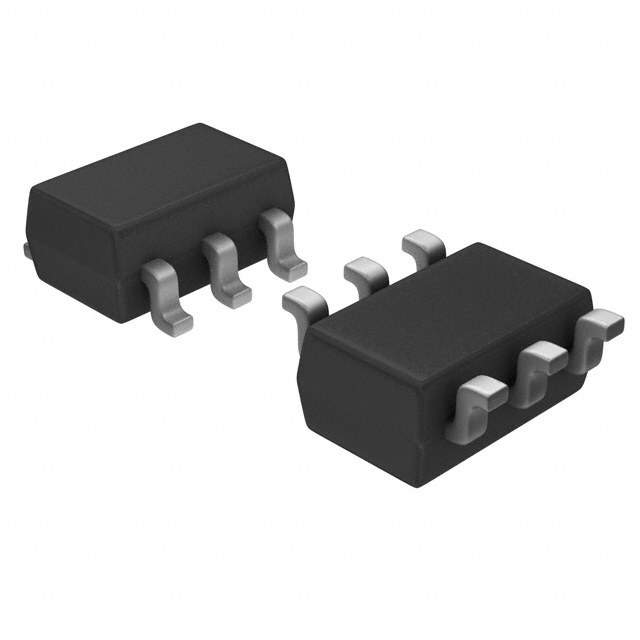


Request Quote
(Ships tomorrow)
SSL3250AHN/C1,528 LED Driver IC Equivalent & Substitute Parts
Part Overview
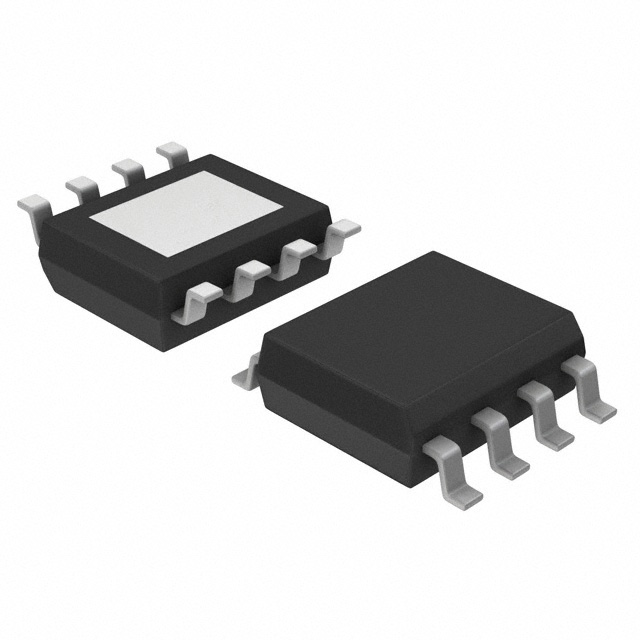
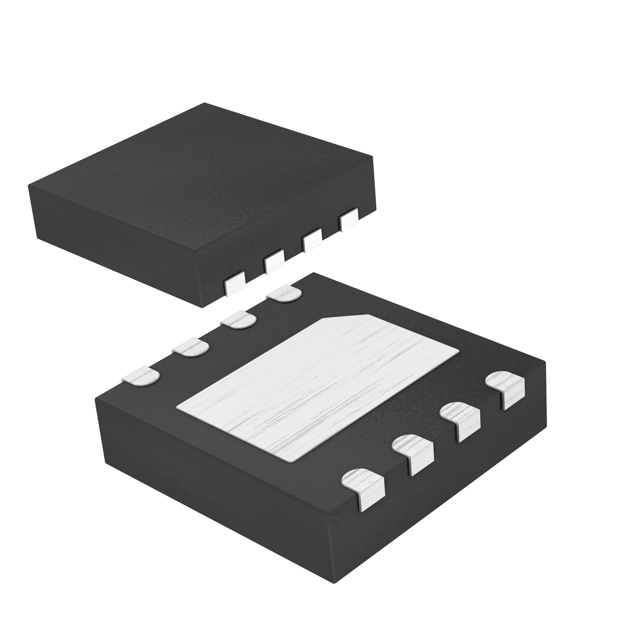
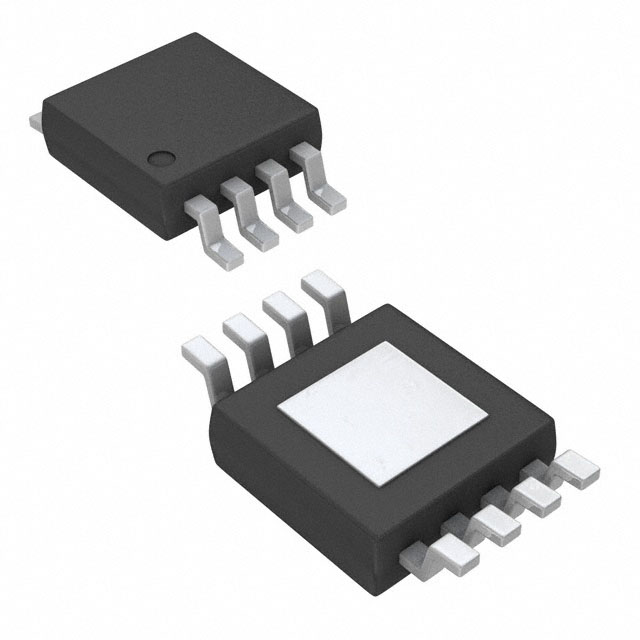
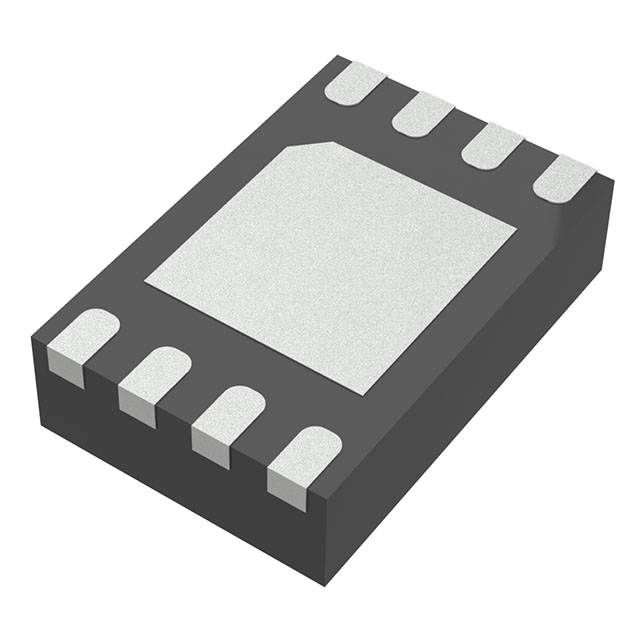
The SSL3250AHN/C1,528 is a LED Driver IC manufactured by NXP USA Inc., designed as a 1-output DC DC regulator with Step-Up (Boost) topology. This device features I2C dimming control, 500mA output current capability, and operates across a 2.7V to 5.5V supply range with 9.5V output voltage. The part is optimized for camera flash applications and is housed in a 16-HVQFN (3x3) package.
The SSL3250AHN/C1,528 is classified as obsolete. Identifying equivalent and substitute parts is necessary to maintain design continuity, ensure supply chain availability, and support ongoing production requirements for applications requiring LED driver functionality with comparable electrical and mechanical characteristics.
Substiute Parts
Key Parameters
| Parameter | Value |
|---|---|
| Manufacturer | NXP USA Inc. |
| Part Number | SSL3250AHN/C1,528 |
| Product Category | Power Management (PMIC) |
| Device Type | DC DC Regulator |
| Topology | Step-Up (Boost) |
| Number of Outputs | 1 |
| Supply Voltage Range | 2.7V to 5.5V |
| Output Voltage | 9.5V |
| Output Current | 500mA |
| Switching Frequency | 1.2MHz |
| Dimming Control | I2C |
| Internal Switch | Yes |
| Operating Temperature | -40°C to 85°C (TA) |
| Package Type | 16-HVQFN (3x3) |
| Mounting Type | Surface Mount |
| RoHS Status | ROHS3 Compliant |
| Product Status | Obsolete |
Substitute Part Grouping Explanation
Substitute parts for the SSL3250AHN/C1,528 are selected based on the following critical parameters that define functional equivalence:
Primary Substitution Criteria:
- Device Type: DC DC Regulator with internal switch
- Topology: Step-Up (Boost) configuration
- Number of Outputs: Single output
- Supply Voltage Range: Minimum 2.7V, Maximum 5.5V (or compatible overlap)
- Output Current Capability: 500mA or greater
- Switching Frequency: 1.2MHz or compatible
- Dimming Control: I2C or PWM digital control
- Package Type: Surface mount with comparable pin count and thermal characteristics
- Operating Temperature Range: -40°C to 85°C or extended range
- Compliance: ROHS3 compliant, active product status preferred
Substitute Categories:
Category 1: Direct Topology Match (Step-Up Boost, I2C/PWM Dimming)
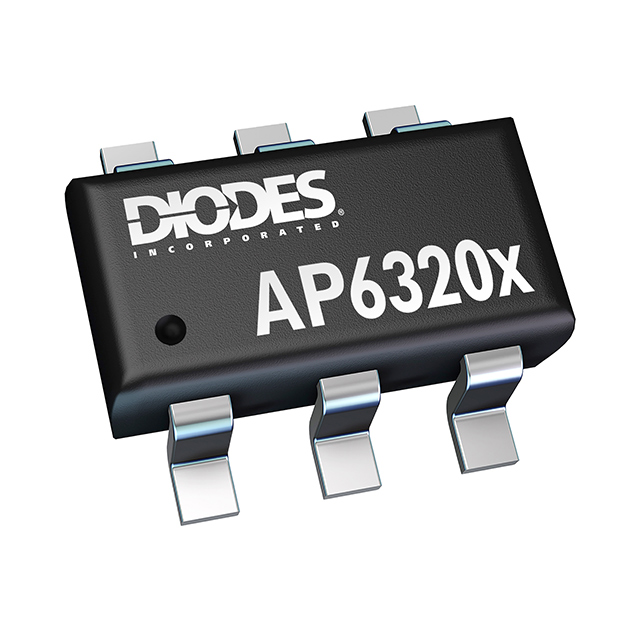
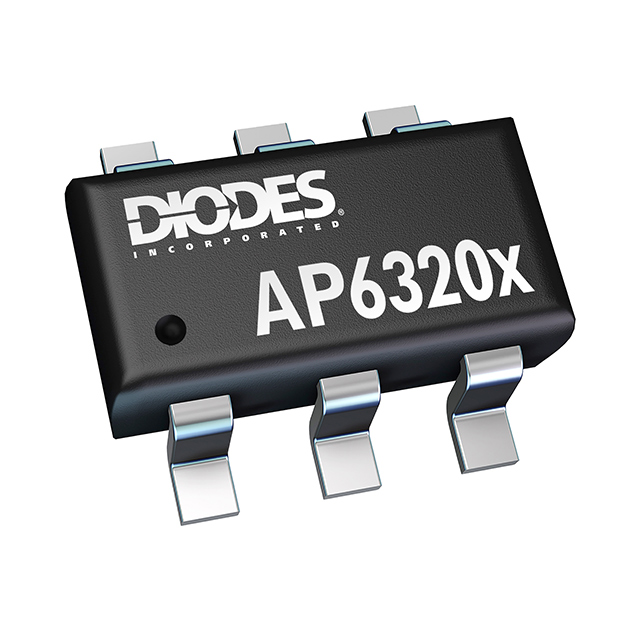
- AP5724WUG-7, AP5725WG-7, AP5725WUG-7 (Diodes Incorporated)
- LM3410XMFE/NOPB, LM3410XMYX/NOPB (Texas Instruments)
Category 2: Flexible Topology (SEPIC/Boost, PWM Dimming)
- A8513KLYTR-T (Allegro MicroSystems)
- ISL78100ARZ-T (Renesas Electronics Corporation)
Category 3: Buck Topology (Alternative for specific applications)
- A6217KLJTR-T (Allegro MicroSystems)
- LM3404HVMRX/NOPB, LM3407MYX/NOPB (Texas Instruments)
Parameter Comparison
| Parameter | SSL3250AHN/C1,528 | AP5724WUG-7 | AP5725WUG-7 | LM3410XMFE/NOPB | LM3410XMYX/NOPB | ISL78100ARZ-T | A8513KLYTR-T |
|---|---|---|---|---|---|---|---|
| Manufacturer | NXP USA Inc. | Diodes Incorporated | Diodes Incorporated | Texas Instruments | Texas Instruments | Renesas Electronics | Allegro MicroSystems |
| Topology | Step-Up (Boost) | Step-Up (Boost) | Step-Up (Boost) | SEPIC, Step-Up (Boost) | SEPIC, Step-Up (Boost) | Step-Down (Buck), Step-Up (Boost) | SEPIC, Step-Up (Boost) |
| Supply Voltage Min | 2.7V | 2.7V | 2.7V | 2.7V | 2.7V | 2.7V | 4.5V |
| Supply Voltage Max | 5.5V | 5.5V | 5.5V | 5.5V | 5.5V | 16V | 40V |
| Output Voltage | 9.5V | — | 26V | 3V ~ 24V | 3V ~ 24V | 32V | — |
| Output Current | 500mA | 750mA (Switch) | 750mA (Switch) | 2.8A (Switch) | 2.8A (Switch) | 1A | 150mA |
| Switching Frequency | 1.2MHz | 1.2MHz | 1.2MHz | 1.6MHz | 1.6MHz | 1MHz | 2MHz |
| Dimming Control | I2C | PWM | PWM | PWM | PWM | Analog, PWM | PWM |
| Operating Temperature | -40°C ~ 85°C (TA) | -40°C ~ 85°C (TA) | -40°C ~ 85°C (TA) | -40°C ~ 125°C (TJ) | -40°C ~ 125°C (TJ) | -40°C ~ 105°C (TA) | -40°C ~ 125°C (TA) |
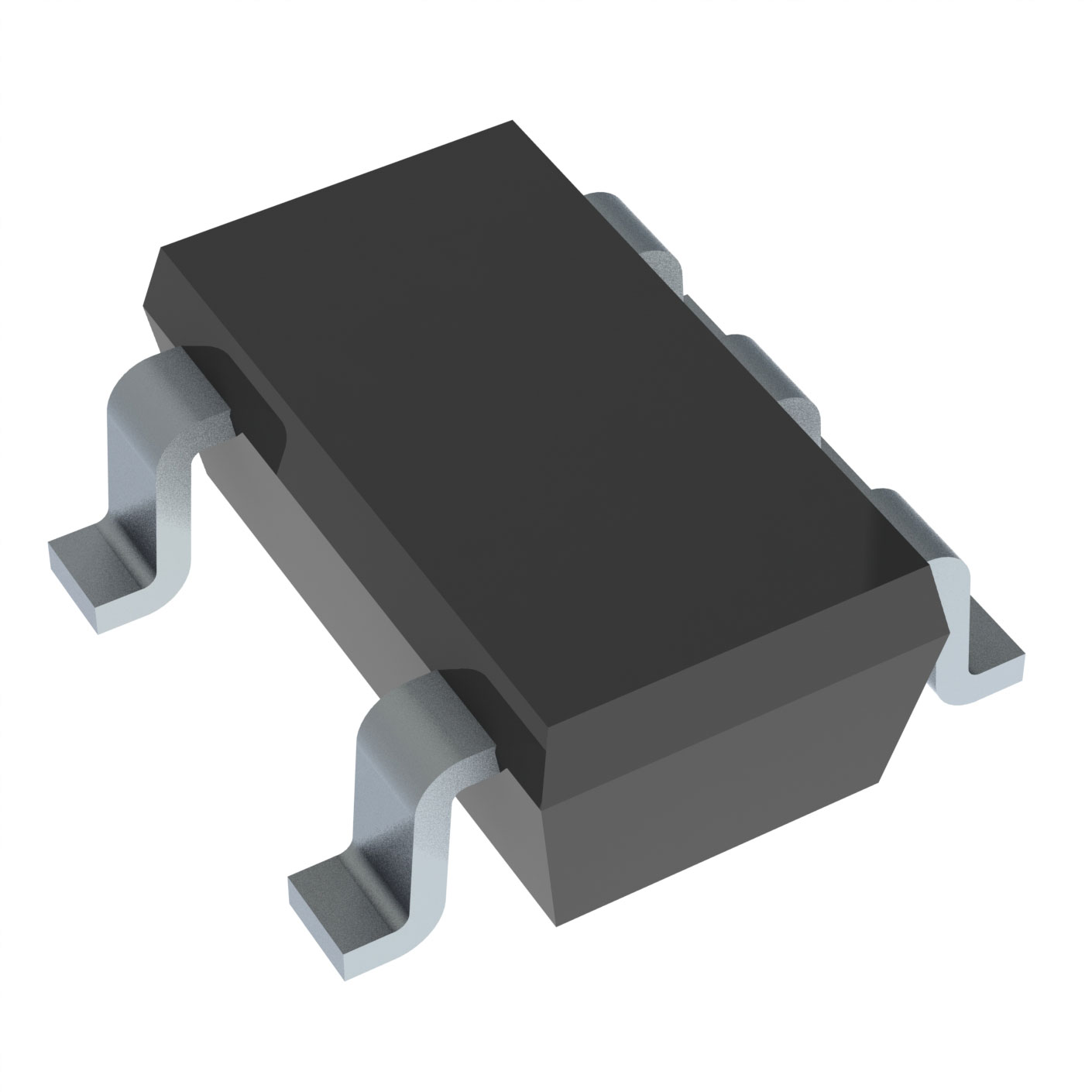
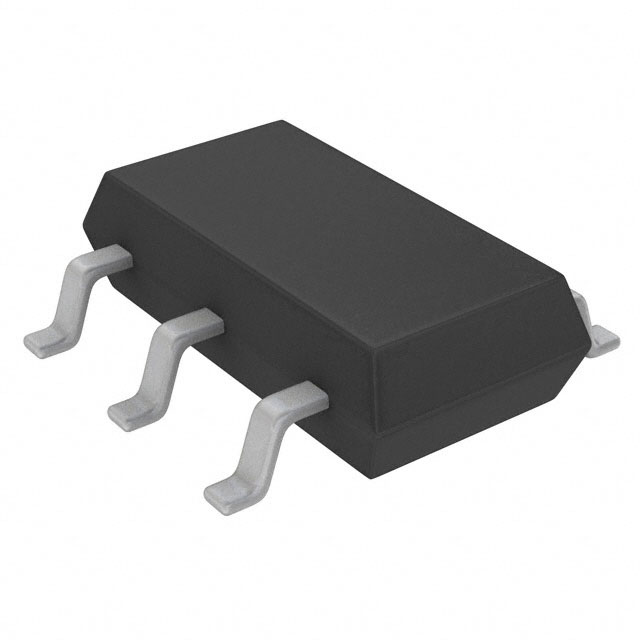
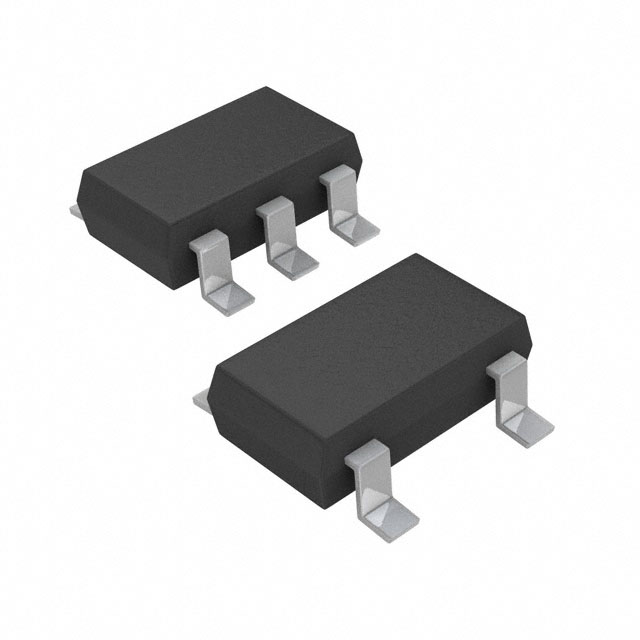
| Package Type | 16-HVQFN (3x3) | TSOT-23-6 | TSOT-23-6 | SOT-23-5 | 8-HVSSOP | 20-QFN (4x4) | 10-MSOP-EP |
| RoHS Status | ROHS3 Compliant | ROHS3 Compliant | ROHS3 Compliant | ROHS3 Compliant | ROHS3 Compliant | ROHS3 Compliant | ROHS3 Compliant |
| Product Status | Obsolete | Active | Active | Active | Active | Active | Active |
| Automotive Grade | — | — | — | — | — | AEC-Q100 | AEC-Q100 |
Engineering Selection Recommendations
Recommended Primary Substitutes (Highest Compatibility):
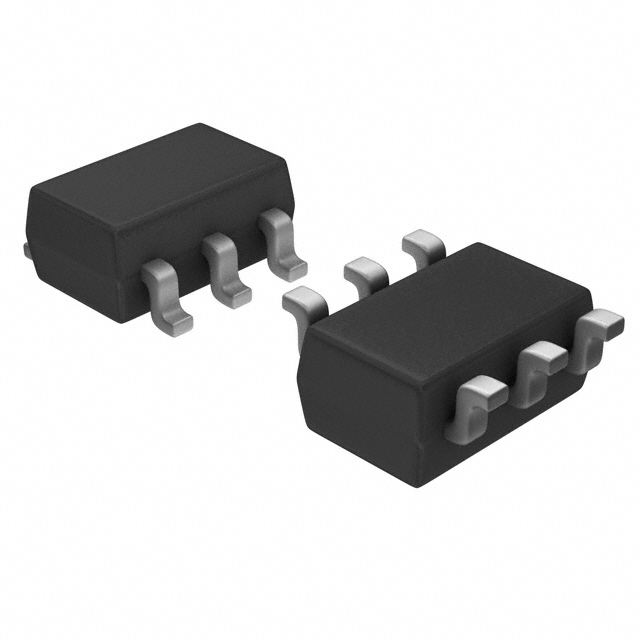
AP5724WUG-7 and AP5725WUG-7 (Diodes Incorporated) are the closest functional equivalents. Both devices maintain the Step-Up (Boost) topology, identical supply voltage range (2.7V to 5.5V), matching switching frequency (1.2MHz), and comparable output current (750mA). These parts are active products with ROHS3 compliance. The primary design consideration is the transition from I2C dimming to PWM dimming control, which requires firmware or control circuit modification. Package differences (TSOT-23-6 vs. 16-HVQFN) necessitate PCB layout redesign.
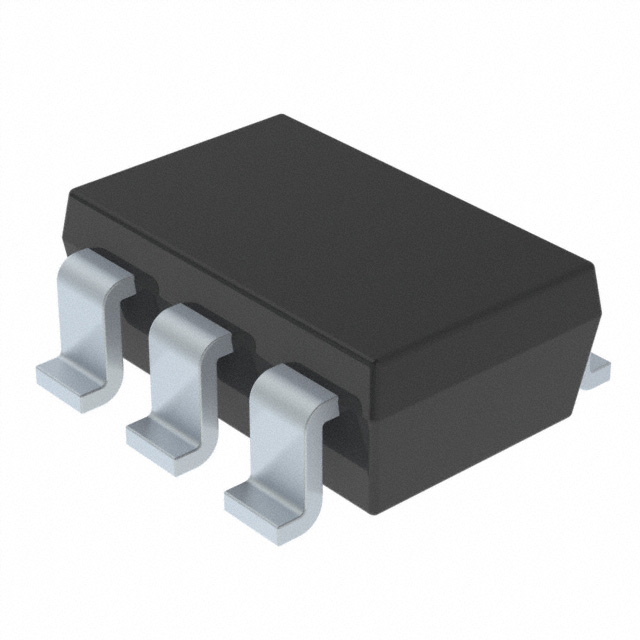
LM3410XMFE/NOPB and LM3410XMYX/NOPB (Texas Instruments) offer SEPIC/Boost topology with extended temperature range (-40°C to 125°C). These devices support the same supply voltage range and provide higher output current capability (2.8A). Switching frequency is slightly elevated (1.6MHz). Both are active products with ROHS3 compliance. PWM dimming control requires interface modification. Package options (SOT-23-5 and 8-HVSSOP) differ from the original.
ISL78100ARZ-T (Renesas Electronics Corporation) provides dual-topology capability (Buck/Boost) with extended supply voltage range (2.7V to 16V) and automotive-grade qualification (AEC-Q100). Output current is 1A with 1MHz switching frequency. This device offers the broadest application flexibility but requires the most significant design adaptation. ROHS3 compliant and active product status.
Secondary Substitutes (Application-Specific):
A8513KLYTR-T (Allegro MicroSystems) is suitable for backlight applications with SEPIC/Boost topology and automotive qualification (AEC-Q100). However, the 150mA output current is below the SSL3250 specification, limiting applicability to lower-power LED driver requirements.
Buck Topology Alternatives (A6217KLJTR-T, LM3404HVMRX/NOPB, LM3407MYX/NOPB) are not direct substitutes due to Step-Down topology. These are applicable only if the application can accommodate buck regulation instead of boost regulation.
Selection Criteria Summary:
- All recommended substitutes are active products with ROHS3 compliance
- Supply voltage compatibility (2.7V to 5.5V minimum overlap) is maintained
- Output current capability meets or exceeds 500mA requirement
- Switching frequency remains within acceptable range (1.0MHz to 2.0MHz)
- Dimming control transition from I2C to PWM requires firmware modification
- Package changes require PCB redesign and thermal analysis
- Automotive-grade options (ISL78100ARZ-T, A8513KLYTR-T) available for qualified applications
Frequently Asked Questions (FAQ)
Q: Can AP5724WUG-7 or AP5725WUG-7 directly replace SSL3250AHN/C1,528 without design changes?
A: No. While these Diodes Incorporated devices maintain the same topology, supply voltage range, and switching frequency, the dimming control interface differs fundamentally. The SSL3250 uses I2C digital control, whereas AP5724WUG-7 and AP5725WUG-7 use PWM control. This requires modification to the control circuit and firmware. Additionally, package geometry differs (TSOT-23-6 vs. 16-HVQFN), necessitating PCB layout redesign and thermal management reassessment.
Q: What is the primary difference between the SSL3250 and LM3410XMFE/NOPB?
A: The LM3410XMFE/NOPB uses SEPIC/Boost topology compared to the SSL3250's pure Boost topology. Both support the same 2.7V to 5.5V supply range and 1.2MHz-range switching frequency. The LM3410 offers higher output current (2.8A vs. 500mA) and extended operating temperature (-40°C to 125°C vs. -40°C to 85°C). Dimming control is PWM-based rather than I2C. The SOT-23-5 package is significantly smaller than the 16-HVQFN, requiring substantial PCB redesign.
Q: Is ISL78100ARZ-T suitable for camera flash applications?
A: The ISL78100ARZ-T supports backlight applications per its datasheet specification. While it provides dual-topology capability (Buck/Boost) and automotive qualification, its primary application focus differs from the SSL3250's camera flash optimization. The extended supply voltage range (2.7V to 16V) and 1A output current provide broader flexibility. Functional compatibility exists, but application-specific validation is required to confirm suitability for camera flash requirements.
Q: Why do some substitute parts have higher output current ratings than the SSL3250?
A: Substitute parts are selected from a broader product portfolio. Higher current ratings (e.g., 2.8A in LM3410 devices vs. 500mA in SSL3250) indicate greater power handling capability. These devices can operate at reduced current levels, making them functionally compatible with lower-current applications. The design must ensure that thermal management and PCB layout accommodate the larger package and higher power dissipation potential.
Q: What is the significance of the TSOT-23-6 package in AP5724WUG-7 and AP5725WUG-7?
A: TSOT-23-6 is a thin, small-outline package with 6 pins. Compared to the SSL3250's 16-HVQFN (3x3) package, TSOT-23-6 is significantly smaller in footprint and pin count. This package change requires complete PCB redesign, including trace routing, decoupling capacitor placement, and inductor positioning. Thermal performance may differ due to reduced exposed pad area, necessitating thermal analysis and potentially different cooling strategies.
Q: Are all substitute parts ROHS3 compliant?
A: Yes. All recommended substitute parts listed in this document are ROHS3 compliant, matching the SSL3250AHN/C1,528 compliance status. This ensures compatibility with environmental and regulatory requirements for lead-free manufacturing and hazardous substance restrictions.
Q: What does "active product status" mean for substitute selection?
A: Active product status indicates that the manufacturer currently produces and supports the device. The SSL3250 is classified as obsolete, meaning NXP no longer manufactures it. All recommended substitutes are active products, ensuring ongoing availability, technical support, and supply chain continuity. This is a critical factor for long-term design viability and production sustainability.
Q: Can PWM dimming control be retrofitted to replace I2C control?
A: Yes, PWM dimming can replace I2C control through firmware and control circuit modification. I2C is a serial communication protocol enabling digital dimming commands, while PWM uses pulse-width modulation for analog dimming control. The transition requires redesigning the microcontroller interface and potentially adding PWM signal generation circuitry. The functional outcome (LED brightness control) is achievable with both methods, but implementation differs significantly.
Q: Which substitute offers the best thermal performance?
A: ISL78100ARZ-T in the 20-QFN (4x4) package provides the largest exposed pad area among the recommended substitutes, supporting superior thermal dissipation. However, thermal performance depends on PCB design, copper area allocation, and thermal vias. LM3410XMYX/NOPB in 8-HVSSOP package also offers good thermal characteristics. Detailed thermal analysis specific to your PCB design is required to determine actual performance.
Q: Are automotive-grade substitutes necessary for non-automotive applications?
A: Automotive-grade qualification (AEC-Q100) is not required for non-automotive applications. However, automotive-grade devices undergo more rigorous testing and qualification, potentially offering higher reliability margins. ISL78100ARZ-T and A8513KLYTR-T are automotive-qualified options available if enhanced reliability is desired, though they are not mandatory for consumer or industrial applications.
Alternative Parts

SJ6012L2TP
Littelfuse Inc.
6 Alternative Parts

JMK107BBJ476MA-RE
Taiyo Yuden
10 Alternative Parts

GMK107BBJ475MA-T
Taiyo Yuden
5 Alternative Parts
SJ6020N2ARP
Littelfuse Inc.
3 Alternative Parts
SJ6025R2ATP
Littelfuse Inc.
4 Alternative Parts

2474-05L
API Delevan Inc.
1 Alternative Parts

4590R-684K
API Delevan Inc.
1 Alternative Parts

CM6560R-334
API Delevan Inc.
1 Alternative Parts

CM6460-104
API Delevan Inc.
1 Alternative Parts

5526-12
API Delevan Inc.
1 Alternative Parts