




Request Quote
(Ships tomorrow)
NVT2002TLH Equivalent & Substitute Parts
Part Overview
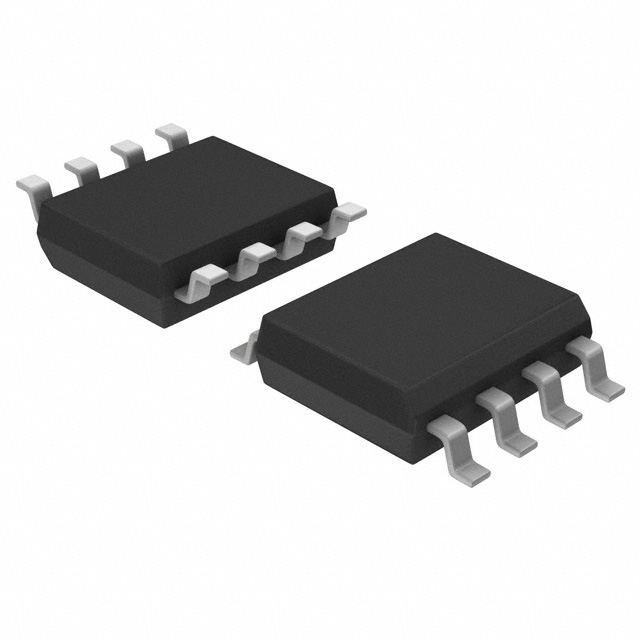
The NVT2002TLH is a bidirectional voltage level translator manufactured by NXP USA Inc., designed for logic signal translation between different voltage domains. This surface mount integrated circuit operates with VCCA ranging from 1 V to 3.6 V and VCCB from 1.8 V to 5.5 V, supporting data rates up to 33 MHz across 2 channels in a single circuit configuration. The device is packaged in an 8-XFDFN exposed pad package (HXSON8U) and maintains active product status with ROHS3 compliance and unlimited moisture sensitivity rating.
Substitute parts are necessary when the NVT2002TLH experiences supply constraints, when alternative packaging formats are required for specific PCB layouts, or when design requirements necessitate different voltage operating ranges or data rate specifications.
Substiute Parts
Key Parameters
| Parameter | NVT2002TLH Specification |
|---|---|
| Translator Type | Voltage Level |
| Channel Type | Bidirectional |
| Number of Circuits | 1 |
| Channels per Circuit | 2 |
| Voltage - VCCA | 1 V ~ 3.6 V |
| Voltage - VCCB | 1.8 V ~ 5.5 V |
| Output Type | Open Drain, Push-Pull |
| Data Rate | 33 MHz |
| Operating Temperature | -40°C ~ 105°C (TA) |
| Mounting Type | Surface Mount |
| Package / Case | 8-XFDFN Exposed Pad |
| RoHS Status | ROHS3 Compliant |
| Moisture Sensitivity Level (MSL) | 1 (Unlimited) |
Substitute Part Grouping Explanation
Substitution of the NVT2002TLH is determined by the following critical parameters:
Functional Requirements:
- Translator Type: Voltage Level (all substitutes must be voltage level translators)
- Channel Type: Bidirectional (all substitutes must support bidirectional translation)
- Number of Circuits: 1 (all substitutes must have single circuit configuration)
- Channels per Circuit: 2 (all substitutes must support 2 channels)
Electrical Compatibility:
- Voltage - VCCA: 1 V ~ 3.6 V (substitute VCCA range must encompass or overlap this range)
- Voltage - VCCB: 1.8 V ~ 5.5 V (substitute VCCB range must encompass or overlap this range)
- Output Type: Open Drain, Push-Pull (substitutes must support at least one of these output types)
- Data Rate: 33 MHz (substitutes must support equal or higher data rates, or data rate must not be specified as a limiting factor)
Physical and Environmental Requirements:
- Mounting Type: Surface Mount (all substitutes must be surface mount)
- Operating Temperature: -40°C ~ 105°C (substitutes must support this range or a superset)
- RoHS Status: ROHS3 Compliant (all substitutes must maintain compliance)
- Moisture Sensitivity Level: 1 (Unlimited) (substitutes must have MSL rating of 1)
Substitutes are grouped by their ability to meet these parameters while potentially offering different package formats, enhanced features, or alternative manufacturer sources.
Parameter Comparison
| Part Number | Manufacturer | VCCA Range | VCCB Range | Output Type | Data Rate | Operating Temp | Package / Case | Product Status |
|---|---|---|---|---|---|---|---|---|
| NVT2002TLH | NXP USA Inc. | 1 V ~ 3.6 V | 1.8 V ~ 5.5 V | Open Drain, Push-Pull | 33 MHz | -40°C ~ 105°C | 8-XFDFN Exposed Pad | Active |
| LSF0102DQER | Texas Instruments | 0 V ~ 5 V | 0 V ~ 5 V | Open Drain, Push-Pull | Not Specified | -40°C ~ 125°C | 8-XFDFN | Active |
| MAX14591ETA+T | Analog Devices Inc./Maxim Integrated | 0.9 V ~ 5.5 V | 1.65 V ~ 5.5 V | Open Drain, Push-Pull | 16 Mbps | -40°C ~ 85°C | 8-WFDFN | Active |
| MAX3397EELA+T | Analog Devices Inc./Maxim Integrated | 1.2 V ~ 5.5 V | 1.65 V ~ 5.5 V | Open Drain, Tri-State | 16 Mbps | -40°C ~ 85°C | 8-WFDFN | Active |
| NLV9306USG | onsemi | 1 V ~ 3.6 V | 1.8 V ~ 5.5 V | Open Drain | Not Specified | -55°C ~ 125°C | 8-VFSOP (0.091", 2.30mm Width) | Obsolete |
| PCA9306DCTT | Texas Instruments | 1.2 V ~ 3.3 V | 1.8 V ~ 5.5 V | Open Drain, Push-Pull | Not Specified | -40°C ~ 105°C | 8-LSSOP, 8-MSOP (0.110", 2.80mm Width) | Active |
| PCA9306DCUR | Texas Instruments | 1.2 V ~ 3.3 V | 1.8 V ~ 5.5 V | Open Drain, Push-Pull | Not Specified | -40°C ~ 105°C | 8-VFSOP (0.091", 2.30mm Width) | Active |
| PCA9306DCUT | Texas Instruments | 1.2 V ~ 3.3 V | 1.8 V ~ 5.5 V | Open Drain, Push-Pull | Not Specified | -40°C ~ 105°C | 8-VFSOP (0.091", 2.30mm Width) | Active |
| PCA9306DTR2G | onsemi | 1 V ~ 3.6 V | 1.8 V ~ 5.5 V | Open Drain | Not Specified | -55°C ~ 125°C | 8-TSSOP (0.173", 4.40mm Width) | Obsolete |
| PCA9306TDCURQ1 | Texas Instruments | 1.2 V ~ 3.3 V | 1.8 V ~ 5.5 V | Open Drain, Push-Pull | Not Specified | -45°C ~ 105°C | 8-VFSOP (0.091", 2.30mm Width) | Active |
| TXS0102DCTT | Texas Instruments | 1.65 V ~ 3.6 V | 2.3 V ~ 5.5 V | Open Drain, Push-Pull | 24 Mbps | -40°C ~ 85°C | 8-LSSOP, 8-MSOP (0.110", 2.80mm Width) | Active |
Engineering Selection Recommendations
Primary Substitutes (Active Status, Full Compatibility):
LSF0102DQER is the preferred substitute when supply of the NVT2002TLH is constrained. This Texas Instruments device maintains identical circuit configuration (1 circuit, 2 bidirectional channels) with expanded voltage operating ranges (0 V ~ 5 V for both VCCA and VCCB), ensuring compatibility with the NVT2002TLH application envelope. The LSF0102DQER operates across an extended temperature range (-40°C ~ 125°C) and maintains ROHS3 compliance with MSL 1 rating. Package format differs (8-XFDFN versus HXSON8U), requiring PCB layout verification.
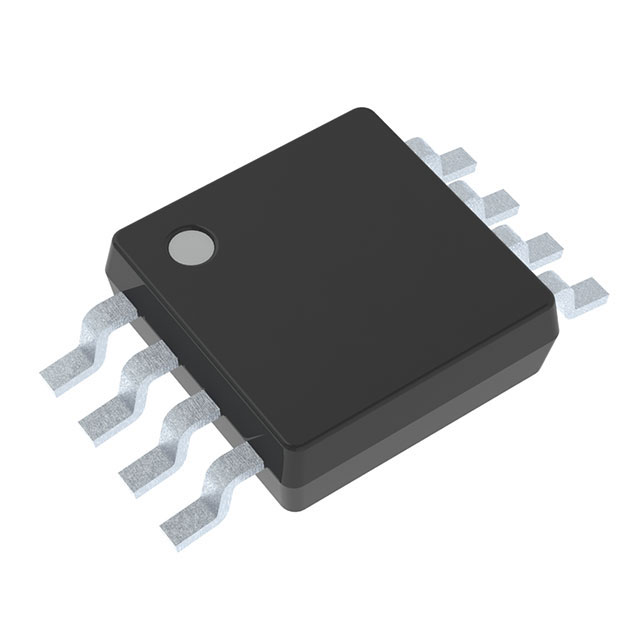
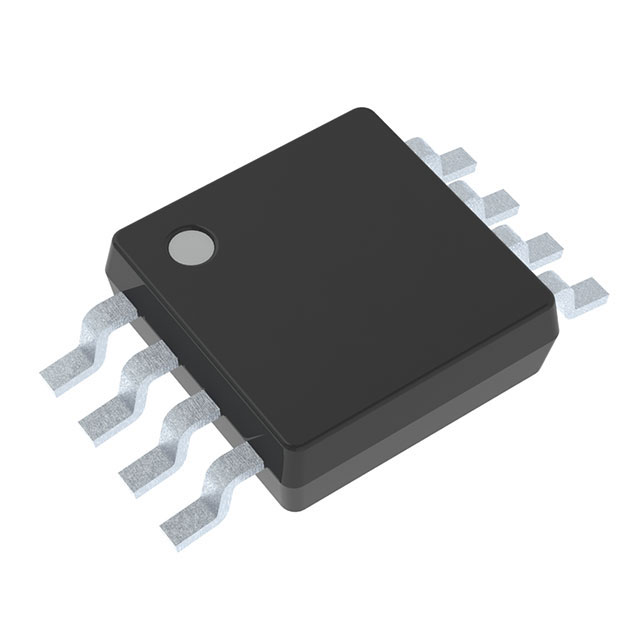
PCA9306DCUR and PCA9306DCUT are functionally equivalent substitutes from Texas Instruments, both offering identical electrical specifications to the NVT2002TLH within the critical voltage ranges (VCCA 1.2 V ~ 3.3 V, VCCB 1.8 V ~ 5.5 V) and operating temperature (-40°C ~ 105°C). Both devices feature auto-direction sensing and maintain ROHS3 compliance. These parts are packaged in 8-VFSOP format, requiring PCB footprint modification from the original HXSON8U package.
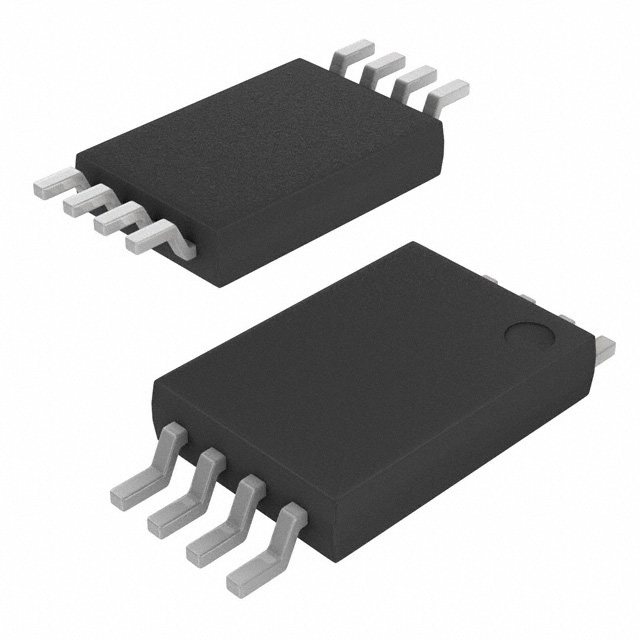
PCA9306DCTT offers identical electrical specifications in an 8-LSSOP/8-MSOP package format, suitable for applications where larger package footprints are acceptable or preferred for thermal management.
PCA9306TDCURQ1 is the automotive-qualified variant (AEC-Q100) of the PCA9306 series, maintaining identical electrical specifications with operating temperature range of -45°C ~ 105°C. This part is appropriate for automotive applications requiring qualification documentation.
Secondary Substitutes (Active Status, Reduced Data Rate or Voltage Constraints):
TXS0102DCTT from Texas Instruments supports 24 Mbps data rate, which is lower than the NVT2002TLH specification of 33 MHz. This device is suitable for applications where the 24 Mbps data rate is sufficient. Voltage ranges are more constrained (VCCA 1.65 V ~ 3.6 V, VCCB 2.3 V ~ 5.5 V) compared to the NVT2002TLH, requiring verification that application voltage levels fall within these bounds.
MAX14591ETA+T and MAX3397EELA+T from Analog Devices Inc./Maxim Integrated support 16 Mbps data rate, further reduced from the NVT2002TLH specification. These devices are suitable only for applications where 16 Mbps data rate is acceptable. Operating temperature is limited to -40°C ~ 85°C, which is narrower than the NVT2002TLH range.
Obsolete Parts (Not Recommended for New Designs):
NLV9306USG (onsemi) and PCA9306DTR2G (onsemi) are marked as obsolete and should not be selected for new designs. These parts may be used only for legacy system maintenance or repair where original part specifications are mandatory.
Frequently Asked Questions (FAQ)
Q: Can the LSF0102DQER directly replace the NVT2002TLH without PCB modification?
A: The LSF0102DQER maintains identical electrical functionality and circuit configuration as the NVT2002TLH. However, the package format differs (8-XFDFN versus HXSON8U). PCB footprint verification is required to confirm compatibility with existing solder pad layouts. If the footprints are identical, direct replacement is possible. If footprints differ, PCB redesign is necessary.
Q: What is the significance of the voltage range differences between the NVT2002TLH and PCA9306 series?
A: The NVT2002TLH specifies VCCA range of 1 V ~ 3.6 V, while the PCA9306 series specifies 1.2 V ~ 3.3 V. The PCA9306 range is a subset of the NVT2002TLH range. If your application operates VCCA below 1.2 V or above 3.3 V, the PCA9306 series is not suitable. Verify your actual operating voltage levels before selecting a substitute.
Q: Why do some substitute parts not specify a data rate?
A: Data rate specification indicates the maximum frequency at which the device can reliably translate signals. When data rate is not specified in the provided parameters, it indicates that the device supports the application without a specific frequency limitation being documented in the available data. The NVT2002TLH specifies 33 MHz, which is a defined performance characteristic. Substitutes without specified data rates should be evaluated against your actual signal frequency requirements.
Q: Is the PCA9306TDCURQ1 suitable for non-automotive applications?
A: Yes. The PCA9306TDCURQ1 is automotive-qualified (AEC-Q100), but this qualification does not restrict its use in non-automotive applications. The device maintains identical electrical specifications to the non-automotive PCA9306 variants. Selection of the automotive-qualified variant is appropriate when design documentation requires AEC-Q100 certification or when the part is used in automotive systems.
Q: What is the difference between the PCA9306DCUR and PCA9306DCUT packages?
A: Both PCA9306DCUR and PCA9306DCUT are packaged in 8-VFSOP format with identical electrical specifications. The primary difference is packaging designation: DCUR indicates Cut Tape & Digi-Reel packaging, while DCUT also indicates Cut Tape & Digi-Reel packaging. Both are suitable for automated assembly processes. Verify with your supplier regarding tape reel specifications and minimum order quantities.
Q: Can I use MAX14591ETA+T or MAX3397EELA+T if my application operates at 33 MHz?
A: No. The MAX14591ETA+T and MAX3397EELA+T are specified for 16 Mbps maximum data rate, which is significantly lower than the 33 MHz requirement of the NVT2002TLH. These devices are not suitable for applications requiring 33 MHz operation. Use only if your actual signal frequency is 16 Mbps or lower.
Q: What does "Open Drain, Push-Pull" output type mean for substitution purposes?
A: Output type describes the electrical configuration of the output stage. Open Drain outputs require external pull-up resistors, while Push-Pull outputs provide active high and low drive. The NVT2002TLH supports both output types. Substitutes must support at least one of these output types. Verify your circuit design to confirm which output type is required, then select a substitute that supports that configuration.
Q: Are obsolete parts like NLV9306USG and PCA9306DTR2G available for purchase?
A: Obsolete parts may have remaining inventory from distributors, but supply is limited and not guaranteed. Obsolete parts should not be selected for new designs. For legacy system maintenance, contact authorized distributors to confirm availability. Plan for transition to active alternatives for long-term product support.
Q: How do I verify that a substitute part is compatible with my specific application?
A: Compatibility verification requires comparison of three parameter categories: (1) Electrical specifications (voltage ranges, data rate, output type) must meet or exceed your application requirements; (2) Operating temperature range must encompass your application environment; (3) Package format must be compatible with your PCB layout, or PCB redesign must be planned. Cross-reference your application schematic and PCB design against the parameter comparison table provided in this document.
Alternative Parts

SJ6012L2TP
Littelfuse Inc.
6 Alternative Parts

JMK107BBJ476MA-RE
Taiyo Yuden
10 Alternative Parts

GMK107BBJ475MA-T
Taiyo Yuden
5 Alternative Parts
SJ6020N2ARP
Littelfuse Inc.
3 Alternative Parts
SJ6025R2ATP
Littelfuse Inc.
4 Alternative Parts

2474-05L
API Delevan Inc.
1 Alternative Parts

4590R-684K
API Delevan Inc.
1 Alternative Parts

CM6560R-334
API Delevan Inc.
1 Alternative Parts

CM6460-104
API Delevan Inc.
1 Alternative Parts

5526-12
API Delevan Inc.
1 Alternative Parts