


Request Quote
(Ships tomorrow)
MICRF104YM TR Equivalent & Substitute Parts
Part Overview
The MICRF104YM TR is an RF transmitter IC manufactured by Microchip Technology, designed for ASK and OOK modulation in the 300MHz to 470MHz frequency band. This device operates at -2dBm output power with a maximum data rate of 20kbps and is housed in a 14-SOIC surface mount package. The product is currently obsolete, making identification of suitable substitute components essential for ongoing system support and new design implementations.
Substiute Parts
Key Parameters
| Parameter | Value |
|---|---|
| Manufacturer Part Number | MICRF104YM TR |
| Manufacturer | Microchip Technology |
| Frequency Range | 300MHz ~ 470MHz |
| Modulation Type | ASK, OOK |
| Data Rate (Max) | 20kbps |
| Power Output | -2dBm |
| Supply Voltage | 1.8V ~ 4V |
| Transmit Current | 12mA |
| Operating Temperature | 0°C ~ 85°C |
| Package Type | 14-SOIC (0.154", 3.90mm Width) |
| Mounting Type | Surface Mount |
| RoHS Status | ROHS3 Compliant |
| Product Status | Obsolete |
Substitute Part Grouping Explanation
Substitution of the MICRF104YM TR is determined by the following critical parameters:
- Frequency Coverage: The substitute must support the 300MHz to 450MHz band, which overlaps with the original part's 300MHz to 470MHz range
- Modulation Support: ASK modulation capability is mandatory; FSK support is acceptable as an additional feature
- Data Rate: Maximum data rate of 10kbps to 50kbps accommodates the original 20kbps specification
- Supply Voltage: Operating range must encompass or be compatible with the 1.8V to 4V requirement
- Output Power: Substitutes with 10dBm output provide improved performance compared to the original -2dBm
- Package and Mounting: Surface mount packages with PCB antenna interfaces maintain design compatibility
- Compliance: RoHS3 compliance and REACH unaffected status ensure regulatory alignment
Two qualified substitutes have been identified from Microchip Technology's QwikRadio® and standard product lines, both meeting these substitution criteria.
Parameter Comparison
| Parameter | MICRF104YM TR (Original) | MICRF112YMM (Substitute 1) | MICRF113YM6-TR (Substitute 2) |
|---|---|---|---|
| Manufacturer | Microchip Technology | Microchip Technology | Microchip Technology |
| Frequency Range | 300MHz ~ 470MHz | 300MHz ~ 450MHz | 300MHz ~ 450MHz |
| Modulation Type | ASK, OOK | ASK, FSK | ASK |
| Data Rate (Max) | 20kbps | 50kbps | 10kbps |
| Power Output | -2dBm | 10dBm | 10dBm |
| Supply Voltage | 1.8V ~ 4V | 1.8V ~ 3.6V | 1.8V ~ 3.6V |
| Transmit Current | 12mA | 11mA | 12.5mA |
| Operating Temperature | 0°C ~ 85°C | -40°C ~ 125°C | -40°C ~ 85°C |
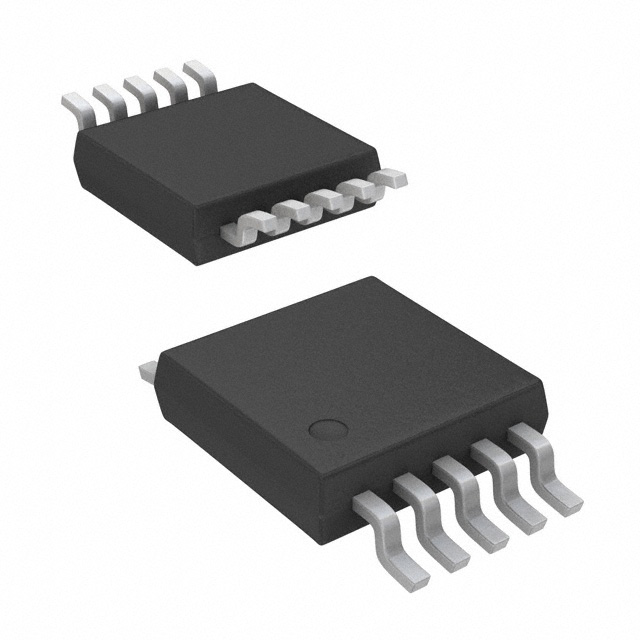
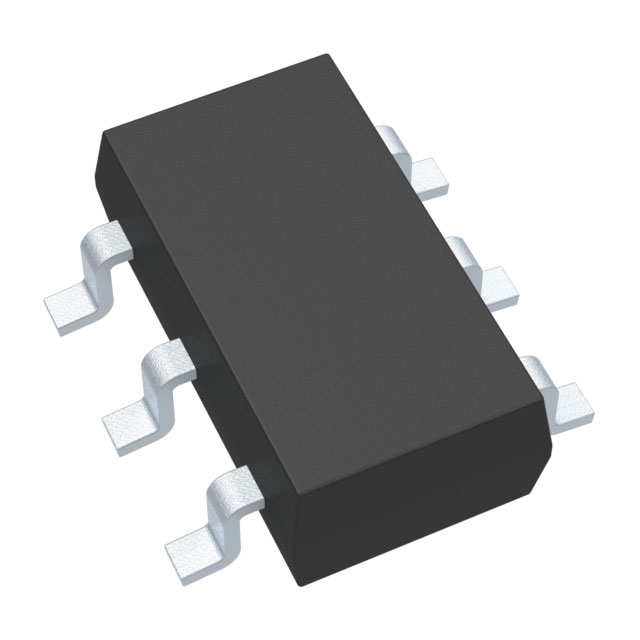
| Package Type | 14-SOIC | 10-TFSOP, 10-MSOP | SOT-23-6 |
| Mounting Type | Surface Mount | Surface Mount | Surface Mount |
| Product Status | Obsolete | Active | Active |
| RoHS Status | ROHS3 Compliant | ROHS3 Compliant | ROHS3 Compliant |
| MSL Rating | 3 (168 Hours) | 1 (Unlimited) | 1 (Unlimited) |
Engineering Selection Recommendations
MICRF112YMM is the primary substitute for applications requiring enhanced performance. This active product from the QwikRadio® series provides 50kbps data rate capability, 10dBm output power, and extended operating temperature range (-40°C to 125°C). The 10-MSOP package is more compact than the original 14-SOIC, requiring PCB layout modification. Supply voltage compatibility is maintained within the 1.8V to 3.6V range. MSL rating of 1 provides superior moisture handling compared to the original MSL 3 rating.
MICRF113YM6-TR serves as an alternative for applications with lower data rate requirements (10kbps maximum). This active product offers the smallest footprint in SOT-23-6 packaging with 10dBm output power. Operating temperature range extends to -40°C, and MSL rating of 1 ensures improved reliability. This option is suitable for space-constrained designs where the 10kbps data rate meets system specifications.
Both substitutes are active products with ROHS3 compliance and REACH unaffected status, ensuring long-term availability and regulatory compliance. Selection between these options depends on specific data rate, package size, and thermal requirements of the target application.
Frequently Asked Questions (FAQ)
Q: Can MICRF112YMM or MICRF113YM6-TR directly replace MICRF104YM TR without PCB modifications?
A: No. While both substitutes maintain surface mount technology and PCB antenna interfaces, package geometry differs significantly. MICRF112YMM uses 10-MSOP versus the original 14-SOIC, and MICRF113YM6-TR uses SOT-23-6. PCB footprint redesign is required for either substitute.
Q: What is the impact of the reduced supply voltage range (1.8V to 3.6V) in the substitutes compared to the original (1.8V to 4V)?
A: Systems operating above 3.6V require voltage regulation or redesign. The substitutes' 3.6V maximum is a hard limit. Verify your power supply specifications before selection.
Q: Why do the substitutes offer higher output power (10dBm) than the original (-2dBm)?
A: The substitutes represent newer product generations with improved RF performance. Higher output power extends transmission range and improves link budget. System design must account for increased RF emissions.
Q: Is the reduced data rate of MICRF113YM6-TR (10kbps) a limitation?
A: Only if your application requires the original 20kbps rate. MICRF113YM6-TR is suitable for applications with 10kbps or lower data rate specifications. MICRF112YMM supports 50kbps for higher bandwidth requirements.
Q: What does MSL rating 1 (Unlimited) mean compared to MSL 3 (168 Hours)?
A: MSL 1 indicates the component can be stored indefinitely without moisture absorption concerns. MSL 3 requires reflow processing within 168 hours of package opening. Substitutes offer superior shelf-life and handling flexibility.
Q: Are both substitutes suitable for RKE (Remote Keyless Entry) applications?
A: MICRF112YMM explicitly supports RKE applications. MICRF113YM6-TR is specified for ISM applications. Verify application compatibility with Microchip Technology datasheets before final selection.
Q: What is the frequency band limitation in the substitutes (300MHz to 450MHz) versus the original (300MHz to 470MHz)?
A: The substitutes do not cover the 450MHz to 470MHz band. If your system operates in this upper frequency range, neither substitute is suitable. Consult Microchip Technology for alternative solutions.
Alternative Parts

SJ6012L2TP
Littelfuse Inc.
6 Alternative Parts

JMK107BBJ476MA-RE
Taiyo Yuden
10 Alternative Parts

GMK107BBJ475MA-T
Taiyo Yuden
5 Alternative Parts
SJ6020N2ARP
Littelfuse Inc.
3 Alternative Parts
SJ6025R2ATP
Littelfuse Inc.
4 Alternative Parts

2474-05L
API Delevan Inc.
1 Alternative Parts

4590R-684K
API Delevan Inc.
1 Alternative Parts

CM6560R-334
API Delevan Inc.
1 Alternative Parts

CM6460-104
API Delevan Inc.
1 Alternative Parts

5526-12
API Delevan Inc.
1 Alternative Parts