


Request Quote
(Ships tomorrow)
MAX3223IDWR Equivalent & Substitute Parts
Part Overview
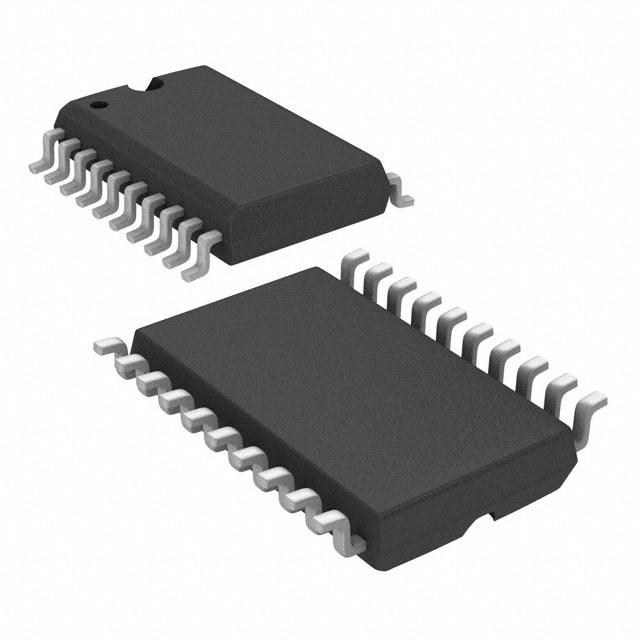
The MAX3223IDWR is a full-duplex RS232 transceiver manufactured by Texas Instruments, configured with 2 drivers and 2 receivers in a 20-SOIC package. This device operates across a 3V to 5.5V supply range and supports data rates up to 250kbps with a receiver hysteresis of 500mV. The part is currently in Last Time Buy status, indicating end-of-life production. Identifying equivalent substitute parts is necessary to ensure design continuity and maintain supply chain reliability for applications requiring RS232 interface functionality.
Substiute Parts
Key Parameters
| Parameter | Value |
|---|---|
| Manufacturer Part Number | MAX3223IDWR |
| Manufacturer | Texas Instruments |
| Category | Interface |
| Type | Transceiver |
| Protocol | RS232 |
| Number of Drivers/Receivers | 2/2 |
| Duplex | Full |
| Data Rate | 250kbps |
| Voltage - Supply | 3V ~ 5.5V |
| Operating Temperature | -40°C ~ 85°C |
| Package / Case | 20-SOIC (0.295", 7.50mm Width) |
| Mounting Type | Surface Mount |
| RoHS Status | ROHS3 Compliant |
| Product Status | Last Time Buy |
Substitute Part Grouping Explanation
Substitution of the MAX3223IDWR is determined by the following critical parameters:
- Protocol Compatibility: Both parts must implement full RS232 transceiver functionality
- Channel Configuration: Equivalent parts must maintain 2 drivers and 2 receivers (2/2 configuration)
- Duplex Mode: Full-duplex operation is required
- Electrical Specifications: Supply voltage range (3V ~ 5.5V), receiver hysteresis (500mV), and operating temperature range (-40°C ~ 85°C) must be maintained or exceeded
- Mounting and Package: Surface mount technology with compatible pinout and footprint considerations
- Compliance Standards: RoHS3 compliance and REACH unaffected status must be preserved
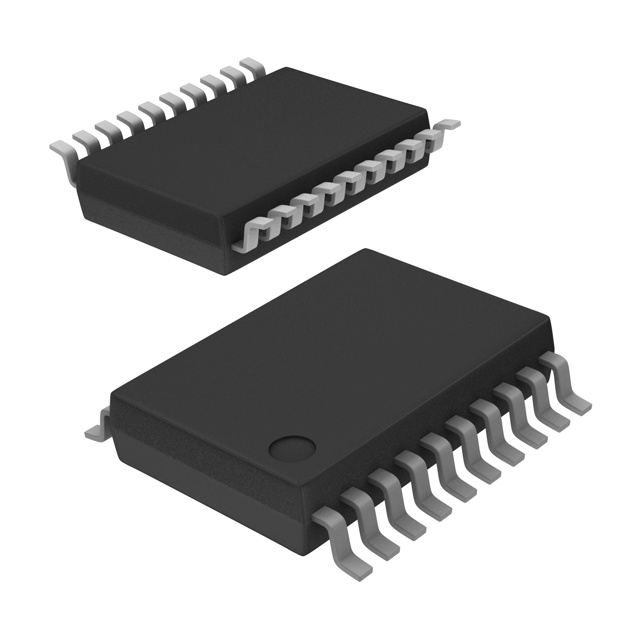
The MAX3223EIDBR qualifies as a manufacturer-recommended substitute based on these parameters. While it features a different package type (20-SSOP versus 20-SOIC) and higher data rate capability (500kbps versus 250kbps), the core functional parameters and electrical specifications remain compatible for RS232 transceiver applications.
Parameter Comparison
| Parameter | MAX3223IDWR (Main Part) | MAX3223EIDBR (Substitute) |
|---|---|---|
| Manufacturer | Texas Instruments | Texas Instruments |
| Category | Interface | Interface |
| Type | Transceiver | Transceiver |
| Protocol | RS232 | RS232 |
| Number of Drivers/Receivers | 2/2 | 2/2 |
| Duplex | Full | Full |
| Receiver Hysteresis | 500 mV | 500 mV |
| Data Rate | 250kbps | 500kbps |
| Voltage - Supply | 3V ~ 5.5V | 3V ~ 5.5V |
| Operating Temperature | -40°C ~ 85°C | -40°C ~ 85°C |
| Mounting Type | Surface Mount | Surface Mount |
| Package / Case | 20-SOIC (0.295", 7.50mm Width) | 20-SSOP (0.209", 5.30mm Width) |
| RoHS Status | ROHS3 Compliant | ROHS3 Compliant |
| Product Status | Last Time Buy | Active |
Engineering Selection Recommendations
The MAX3223EIDBR is the manufacturer-recommended substitute for the MAX3223IDWR. Selection between these parts should be based on the following engineering considerations:
MAX3223IDWR: Appropriate for existing designs currently in production or maintenance phases where the 20-SOIC package footprint is established. This part is in Last Time Buy status, indicating limited future availability.
MAX3223EIDBR: Suitable for new designs or redesigns requiring RS232 transceiver functionality. This part maintains Active product status, ensuring long-term supply availability. The 20-SSOP package offers a smaller footprint (5.30mm width versus 7.50mm width), which may provide layout advantages in space-constrained applications. The higher data rate capability (500kbps) exceeds the original specification and provides additional performance margin.
Both parts maintain identical electrical specifications for supply voltage, operating temperature range, and receiver hysteresis. Both are ROHS3 compliant and REACH unaffected, meeting current regulatory requirements.
Frequently Asked Questions (FAQ)
Q: Can the MAX3223EIDBR directly replace the MAX3223IDWR without design modifications?
A: The MAX3223EIDBR is functionally equivalent in terms of RS232 protocol, channel configuration (2/2), and electrical specifications. However, the package change from 20-SOIC to 20-SSOP requires PCB layout modifications. The pinout must be verified against the respective datasheets to ensure correct signal routing.
Q: What is the primary difference between these two parts?
A: The main differences are package type (20-SOIC versus 20-SSOP) and data rate capability (250kbps versus 500kbps). The MAX3223EIDBR offers higher performance and a smaller footprint, while maintaining all core RS232 transceiver specifications.
Q: Why is the MAX3223IDWR in Last Time Buy status?
A: Last Time Buy status indicates that Texas Instruments has discontinued production of this part number. Existing inventory is available for final orders, but no future production is planned. The MAX3223EIDBR is the recommended alternative for continued supply.
Q: Are there any compliance or certification differences between these parts?
A: Both parts are ROHS3 compliant and REACH unaffected. No compliance differences exist between the two devices.
Q: Does the higher data rate of the MAX3223EIDBR affect compatibility?
A: No. The higher data rate (500kbps versus 250kbps) represents enhanced capability and does not affect backward compatibility. Applications designed for 250kbps operation will function correctly with the MAX3223EIDBR.
Q: What considerations apply to the package change?
A: The 20-SSOP package is narrower (5.30mm versus 7.50mm) and requires different PCB footprint design. Component spacing, trace routing, and thermal considerations may differ. Consult the respective datasheets for pinout and mechanical specifications before implementing the substitution.
Alternative Parts

SJ6012L2TP
Littelfuse Inc.
6 Alternative Parts

JMK107BBJ476MA-RE
Taiyo Yuden
10 Alternative Parts

GMK107BBJ475MA-T
Taiyo Yuden
5 Alternative Parts
SJ6020N2ARP
Littelfuse Inc.
3 Alternative Parts
SJ6025R2ATP
Littelfuse Inc.
4 Alternative Parts

2474-05L
API Delevan Inc.
1 Alternative Parts

4590R-684K
API Delevan Inc.
1 Alternative Parts

CM6560R-334
API Delevan Inc.
1 Alternative Parts

CM6460-104
API Delevan Inc.
1 Alternative Parts

5526-12
API Delevan Inc.
1 Alternative Parts