




Request Quote
(Ships tomorrow)
HI9P0509-5Z Equivalent & Substitute Parts
Part Overview
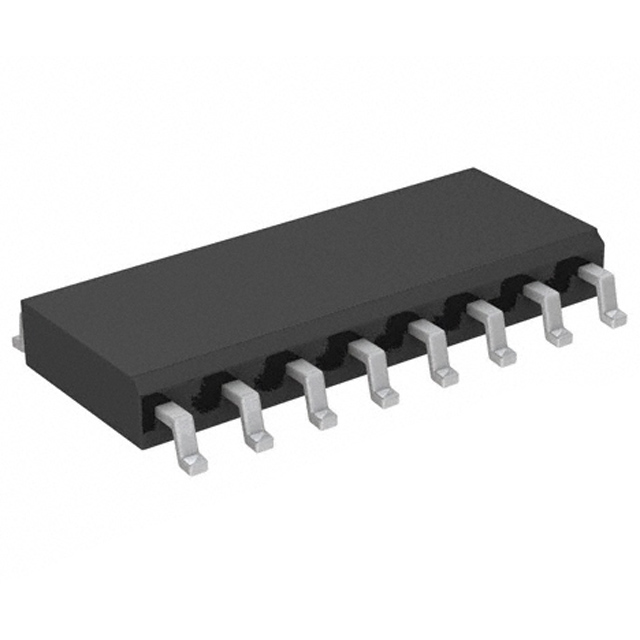
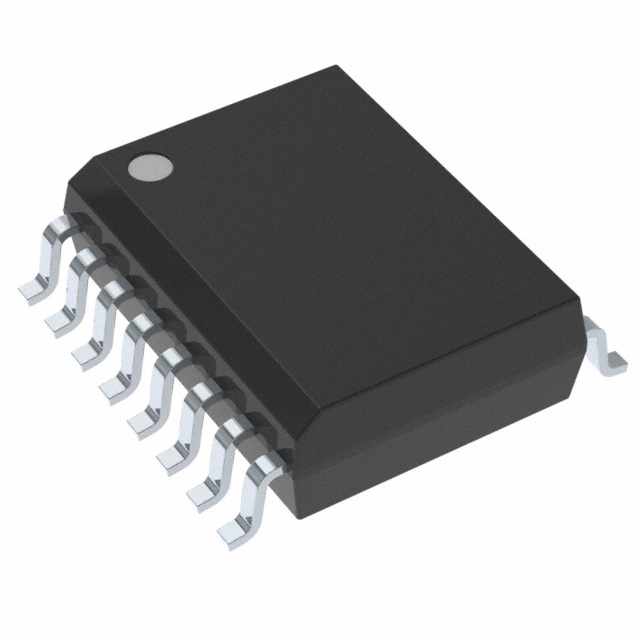
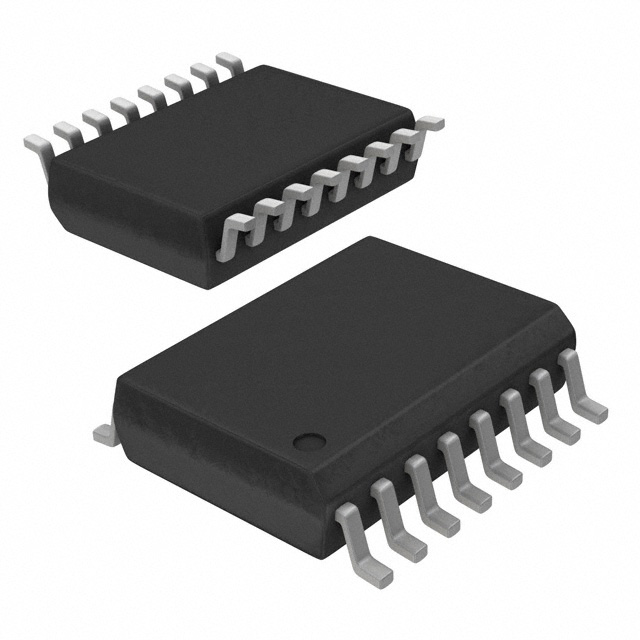
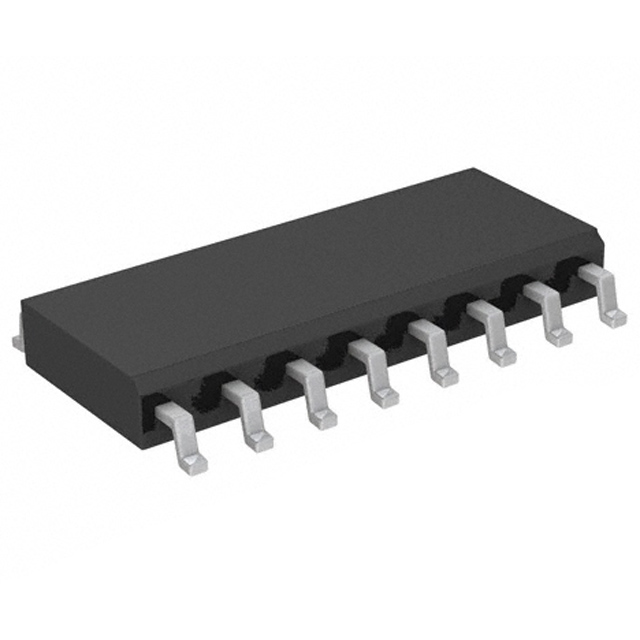
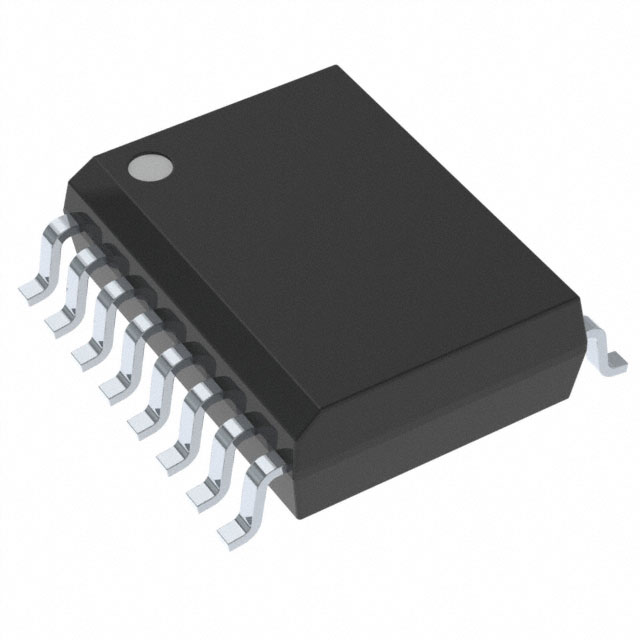
The HI9P0509-5Z is a 2-circuit SP4T analog switch IC manufactured by Renesas Electronics Corporation, designed for signal routing and multiplexing applications. This device features dual 4:1 switch circuits with 400Ω on-state resistance in a 16-SOIC surface mount package. The product is currently obsolete, making equivalent and substitute parts necessary for ongoing system support and new designs requiring compatible functionality.
Substiute Parts
Key Parameters
| Parameter | HI9P0509-5Z |
|---|---|
| Switch Circuit Configuration | SP4T (Single Pole, 4-Throw) |
| Number of Circuits | 2 |
| Multiplexer/Demultiplexer Circuit | 4:1 |
| On-State Resistance (Max) | 400Ω |
| Channel-to-Channel Matching (ΔRon) | 20Ω |
| Voltage Supply (Dual) | ±15V |
| Switch Time (Ton/Toff) | 250ns / 250ns (Typ) |
| Channel Capacitance (CS(off) / CD(off)) | 10pF / 12pF |
| Current Leakage (IS(off)) Max | 30pA (Typ) |
| Operating Temperature | -40°C to 85°C |
| Package / Case | 16-SOIC (0.154", 3.90mm Width) |
| Mounting Type | Surface Mount |
| RoHS Status | ROHS3 Compliant |
| Moisture Sensitivity Level | 3 (168 Hours) |
Substitute Part Grouping Explanation
Substitution of the HI9P0509-5Z is determined by the following critical parameters:
Functional Requirements:
- Switch circuit type: SP4T (Single Pole, 4-Throw)
- Number of circuits: 2
- Multiplexer configuration: 4:1
Electrical Compatibility:
- On-state resistance within acceptable tolerance (400Ω nominal, allowing variants up to 450Ω)
- Dual supply voltage operation (±15V or compatible range)
- Switch timing performance (250ns or faster acceptable)
- Leakage current specifications (1nA or lower acceptable)
Physical & Environmental:
- Package: 16-SOIC surface mount
- Operating temperature range: -40°C to 85°C minimum
- RoHS3 compliance required
- MSL rating acceptable for intended application
Substitute parts are grouped by on-state resistance characteristics and supply voltage specifications, as these directly impact circuit performance and signal integrity.
Parameter Comparison
| Part Number | Manufacturer | On-State Resistance (Max) | ΔRon (Max) | Supply Voltage (Dual) | Switch Time Ton/Toff | IS(off) Max | Operating Temp | Package | Status |
|---|---|---|---|---|---|---|---|---|---|
| HI9P0509-5Z | Renesas | 400Ω | 20Ω | ±15V | 250ns / 250ns | 30pA | -40°C to 85°C | 16-SOIC (3.90mm) | Obsolete |
| ADG509AKRZ-REEL | Analog Devices | 450Ω | 22.5Ω | ±10.8V to 16.5V | 300ns / 300ns | 1nA | -40°C to 85°C | 16-SOIC (3.90mm) | Active |
| ADG509AKRZ-REEL7 | Analog Devices | 450Ω | 22.5Ω | ±10.8V to 16.5V | 300ns / 300ns | 1nA | -40°C to 85°C | 16-SOIC (3.90mm) | Active |
| ADG509FBRNZ | Analog Devices | 270Ω (Typ) | 8.1Ω | ±15V | 230ns / 130ns | 1nA | -40°C to 85°C | 16-SOIC (3.90mm) | Active |
| ADG509FBRNZ-REEL7 | Analog Devices | 270Ω (Typ) | 8.1Ω | ±15V | 230ns / 130ns | 1nA | -40°C to 85°C | 16-SOIC (3.90mm) | Active |
| ADG509FBRWZ | Analog Devices | 270Ω (Typ) | 8.1Ω | ±15V | 230ns / 130ns | 1nA | -40°C to 85°C | 16-SOIC (7.50mm) | Active |
| DG509ACWE+ | Analog Devices / Maxim | 450Ω | 27Ω | ±4.5V to 18V | 1.5µs / 1µs | 1nA | 0°C to 70°C | 16-SOIC (7.50mm) | Active |
| DG509ACWE+T | Analog Devices / Maxim | 450Ω | 27Ω | ±4.5V to 18V | 1.5µs / 1µs | 1nA | 0°C to 70°C | 16-SOIC (7.50mm) | Active |
| DG509ADY+ | Analog Devices / Maxim | 450Ω | 27Ω | ±4.5V to 18V | 1.5µs / 1µs | 1nA | -40°C to 85°C | 16-SOIC (3.90mm) | Active |
| DG509AEWE+ | Analog Devices / Maxim | 450Ω | 27Ω | ±4.5V to 18V | 1.5µs / 1µs | 1nA | -40°C to 85°C | 16-SOIC (7.50mm) | Active |
| DG509BEY-T1-E3 | Vishay Siliconix | 380Ω | 10Ω | ±5V to 20V | 250ns / 240ns | 1nA | -40°C to 125°C | 16-SOIC (3.90mm) | Active |
Engineering Selection Recommendations
Primary Substitutes (Closest Electrical Match):
ADG509FBRNZ and ADG509FBRNZ-REEL7 provide the closest electrical performance to the HI9P0509-5Z. Both devices operate at ±15V dual supply, matching the original specification exactly. The 270Ω on-state resistance is lower than the original 400Ω, resulting in reduced signal attenuation and improved performance. Switch timing is faster (230ns/130ns vs. 250ns/250ns), and leakage current is superior (1nA vs. 30pA). Both are ROHS3 compliant with MSL 1 rating and support the full -40°C to 85°C operating range. The primary difference is packaging: FBRNZ is supplied in tubes, while FBRNZ-REEL7 is supplied in cut tape with Digi-Reel.
Secondary Substitutes (Compatible with Design Modifications):
ADG509AKRZ-REEL and ADG509AKRZ-REEL7 are functionally equivalent with 450Ω on-state resistance. These devices operate at ±10.8V to ±16.5V, which encompasses the original ±15V specification. Switch timing is slightly slower (300ns vs. 250ns), but leakage current is superior. Both are ROHS3 compliant with MSL 1 rating and full temperature range support. Packaging differs only in format: REEL uses tape and reel, while REEL7 uses cut tape with Digi-Reel.
Alternative Substitutes (Extended Supply Range):
DG509ADY+ and DG509AEWE+ operate at ±4.5V to ±18V, providing broader supply voltage compatibility. Both maintain 450Ω on-state resistance and support the full -40°C to 85°C temperature range. DG509ADY+ uses the 3.90mm width package matching the original footprint, while DG509AEWE+ uses the 7.50mm width package. Switch timing is slower (1.5µs/1µs), which may impact high-frequency applications. Both are ROHS3 compliant with MSL 1 rating.
Specialized Substitute (Extended Temperature Range):
DG509BEY-T1-E3 from Vishay Siliconix offers extended operating temperature range (-40°C to 125°C) and superior crosstalk performance (-88dB @ 1MHz). On-state resistance is 380Ω with excellent channel matching (10Ω). Supply voltage range is ±5V to ±20V. Switch timing matches the original (250ns/240ns). This device is suitable for applications requiring extended temperature operation or low-crosstalk performance. Package is 16-SOIC (3.90mm) matching the original footprint.
All recommended substitutes are currently active products with ROHS3 compliance and unlimited moisture sensitivity rating (MSL 1), ensuring long-term availability and environmental compliance.
Frequently Asked Questions (FAQ)
Q: Can I directly replace HI9P0509-5Z with ADG509FBRNZ without circuit modifications?
A: Yes. Both devices are SP4T 4:1 switches with 2 circuits in 16-SOIC packages. The ADG509FBRNZ operates at the same ±15V dual supply and supports the same -40°C to 85°C temperature range. The lower on-state resistance (270Ω vs. 400Ω) improves signal integrity. No circuit modifications are required.
Q: What is the difference between ADG509AKRZ-REEL and ADG509AKRZ-REEL7?
A: Both parts are electrically identical with 450Ω on-state resistance and ±10.8V to ±16.5V supply range. The difference is packaging format: REEL is supplied in tape and reel format, while REEL7 is supplied in cut tape with Digi-Reel. Select based on your assembly process requirements.
Q: Why do some substitutes have slower switch times than the original?
A: Switch time is determined by the device's internal architecture and manufacturing process. Slower switch times (e.g., DG509ACWE+ at 1.5µs/1µs vs. original 250ns) are acceptable for low-frequency signal routing applications but may limit use in high-speed multiplexing. Verify switch time requirements for your specific application.
Q: Can I use DG509ACWE+ if my circuit operates at 0°C to 70°C instead of -40°C to 85°C?
A: Yes. DG509ACWE+ is rated for 0°C to 70°C operation, which is within your specified range. However, if your design requires full -40°C to 85°C capability, use DG509ADY+ or DG509AEWE+ instead, both rated for the extended temperature range.
Q: What does MSL 1 (Unlimited) mean compared to MSL 3 (168 Hours)?
A: MSL (Moisture Sensitivity Level) indicates how long a component can be exposed to moisture before soldering. MSL 1 (Unlimited) means the component has no time restriction and can be stored indefinitely under normal conditions. MSL 3 (168 Hours) means the component must be soldered within 168 hours of opening the moisture barrier bag. All recommended substitutes have MSL 1, providing superior storage flexibility.
Q: Is DG509BEY-T1-E3 suitable for high-frequency applications?
A: DG509BEY-T1-E3 includes -3dB bandwidth specification (250MHz) and crosstalk performance (-88dB @ 1MHz), making it suitable for RF and high-frequency signal routing. The original HI9P0509-5Z does not specify these parameters. Use DG509BEY-T1-E3 when bandwidth and crosstalk performance are critical design requirements.
Q: Can I mix different substitute parts in the same design?
A: All recommended substitutes are pin-compatible SP4T 4:1 switches in 16-SOIC packages. However, mixing parts with different on-state resistances (270Ω, 380Ω, 450Ω) in the same circuit may introduce signal level variations. For consistency, use the same part number throughout a design unless circuit analysis confirms acceptable performance variation.
Q: What is the difference between 16-SOIC (0.154", 3.90mm) and 16-SOIC (0.295", 7.50mm)?
A: Both are 16-pin SOIC packages with identical pin assignments and electrical performance. The difference is package width: 3.90mm is a narrow-body package, while 7.50mm is a wide-body package. Verify your PCB footprint design to ensure compatibility. Most modern designs use the 3.90mm narrow-body package.
Alternative Parts

SJ6012L2TP
Littelfuse Inc.
6 Alternative Parts

JMK107BBJ476MA-RE
Taiyo Yuden
10 Alternative Parts

GMK107BBJ475MA-T
Taiyo Yuden
5 Alternative Parts
SJ6020N2ARP
Littelfuse Inc.
3 Alternative Parts
SJ6025R2ATP
Littelfuse Inc.
4 Alternative Parts

2474-05L
API Delevan Inc.
1 Alternative Parts

4590R-684K
API Delevan Inc.
1 Alternative Parts

CM6560R-334
API Delevan Inc.
1 Alternative Parts

CM6460-104
API Delevan Inc.
1 Alternative Parts

5526-12
API Delevan Inc.
1 Alternative Parts