



Request Quote
(Ships tomorrow)
DDC124EU-7 Equivalent & Substitute Parts
Part Overview
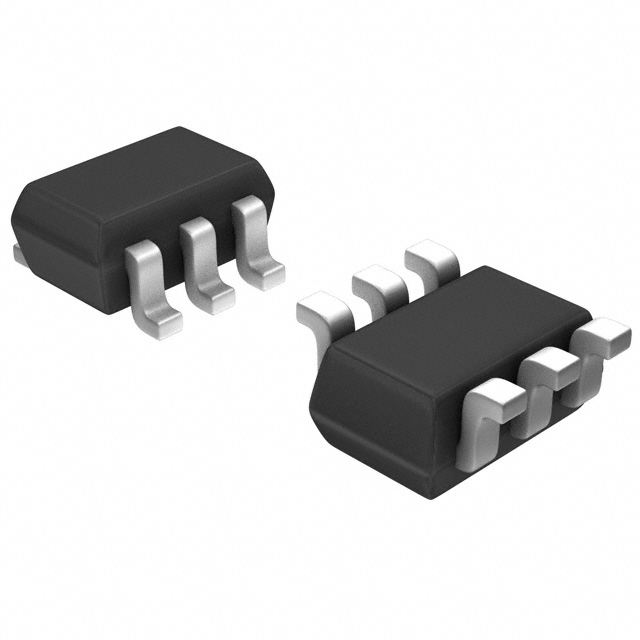
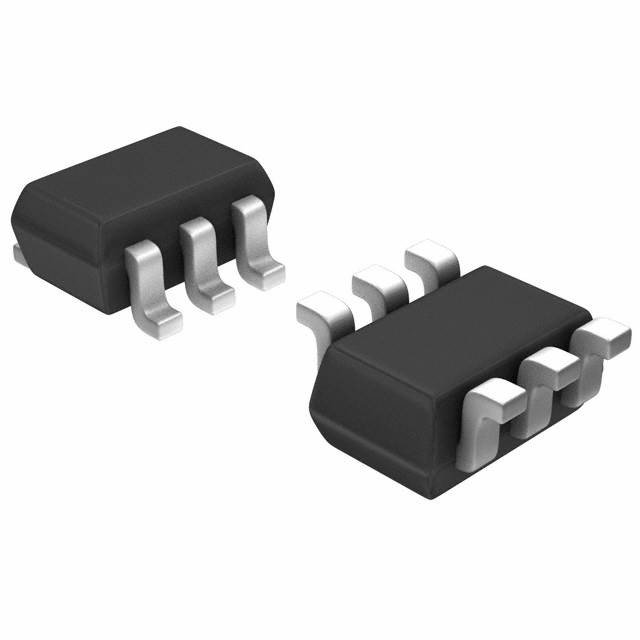
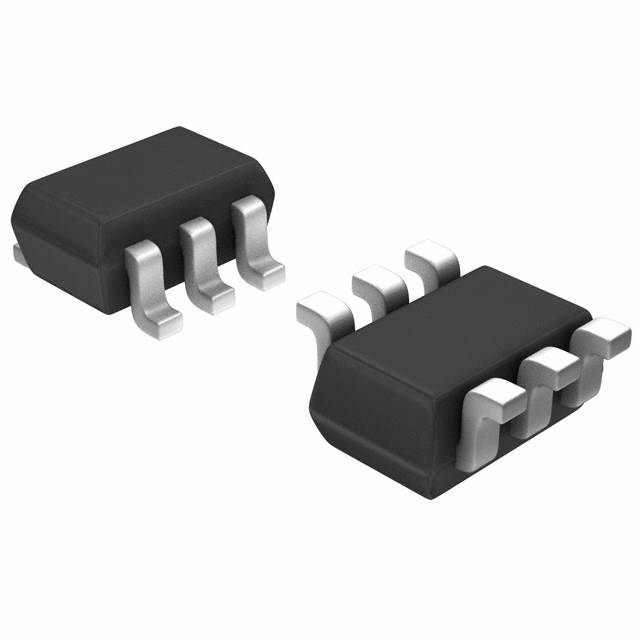
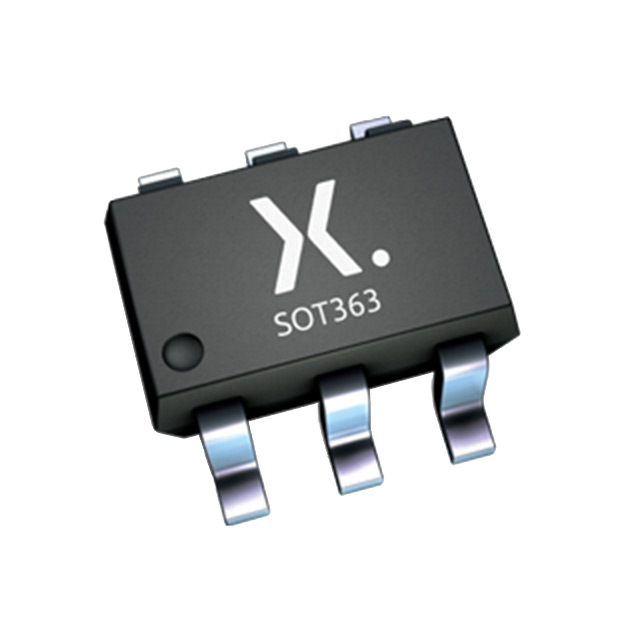
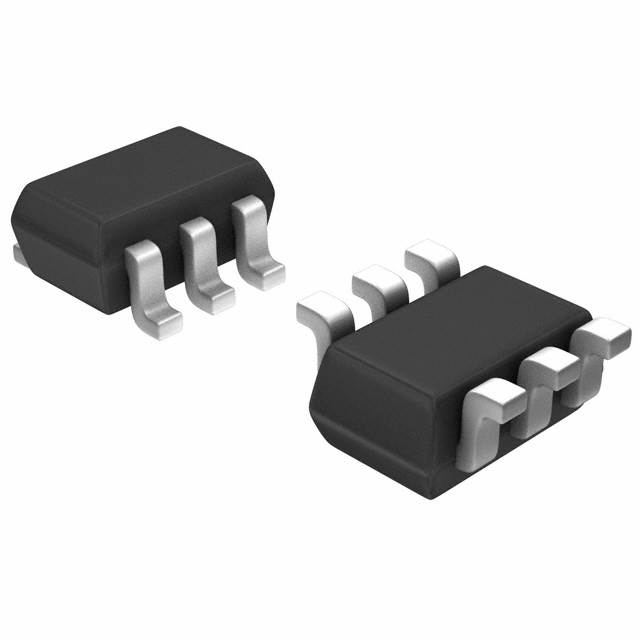
The DDC124EU-7 is a pre-biased dual NPN bipolar junction transistor (BJT) manufactured by Diodes Incorporated in SOT-363 packaging. This component is classified as a surface mount transistor designed for general-purpose switching and amplification applications requiring integrated base bias resistors. The part is currently in active product status with ROHS3 compliance and unlimited moisture sensitivity rating (MSL 1).
Substitute parts are necessary when the original DDC124EU-7 in Cut Tape (CT) packaging is unavailable or when alternative packaging formats (Tape & Reel) or equivalent electrical performance from alternative manufacturers is required for production continuity.
Substiute Parts
Key Parameters
| Parameter | Value | Unit |
|---|---|---|
| Transistor Type | 2 NPN - Pre-Biased (Dual) | — |
| Maximum Collector Current (Ic) | 100 | mA |
| Collector-Emitter Breakdown Voltage (Max) | 50 | V |
| Base Resistor (R1) | 22 | kOhms |
| Emitter-Base Resistor (R2) | 22 | kOhms |
| Maximum Power Dissipation | 200 | mW |
| Transition Frequency | 250 | MHz |
| Package Type | SOT-363 (6-TSSOP) | — |
| RoHS Status | ROHS3 Compliant | — |
| Moisture Sensitivity Level | 1 (Unlimited) | — |
Substitute Part Grouping Explanation
Substitution eligibility for the DDC124EU-7 is determined by the following critical parameters:
Primary Substitution Criteria:
- Transistor configuration: 2 NPN - Pre-Biased (Dual)
- Maximum collector current: 100 mA
- Collector-emitter breakdown voltage: 50 V
- Base resistor value: 22 kOhms
- Emitter-base resistor value: 22 kOhms
- Package type: SOT-363 (6-TSSOP) surface mount
Secondary Compatibility Factors:
- Power dissipation rating (minimum 200 mW)
- Transition frequency (minimum 250 MHz preferred)
- RoHS3 compliance
- MSL 1 rating
Substitute parts are grouped into two categories:
Direct Substitutes (Same Manufacturer - Diodes Incorporated): DDC124EU-7-F differs only in packaging format (Tape & Reel vs. Cut Tape) while maintaining identical electrical specifications and SOT-363 package geometry.
Functional Equivalents (Alternative Manufacturers): Parts from Infineon Technologies, onsemi, Nexperia USA Inc., Toshiba Semiconductor, and Rohm Semiconductor meet the core electrical requirements (100 mA, 50 V, 22 kOhm base resistors, SOT-363 package) with minor variations in secondary parameters such as DC current gain, saturation voltage, and transition frequency. These variations remain within acceptable operating ranges for typical switching applications.
Parameter Comparison
| Manufacturer Part Number | Manufacturer | Transistor Type | Ic (Max) mA | Vce Breakdown (Max) V | R1 (Base) kOhms | R2 (Emitter-Base) kOhms | Power (Max) mW | Frequency MHz | Package | Product Status |
|---|---|---|---|---|---|---|---|---|---|---|
| DDC124EU-7 | Diodes Incorporated | 2 NPN - Pre-Biased (Dual) | 100 | 50 | 22 | 22 | 200 | 250 | SOT-363 | Active |
| DDC124EU-7-F | Diodes Incorporated | 2 NPN - Pre-Biased (Dual) | 100 | 50 | 22 | 22 | 200 | 250 | SOT-363 | Active |
| BCR141SH6327XTSA1 | Infineon Technologies | 2 NPN - Pre-Biased (Dual) | 100 | 50 | 22 | 22 | 250 | 130 | SOT-363 | Obsolete |
| MUN5212DW1T1G | onsemi | 2 NPN - Pre-Biased (Dual) | 100 | 50 | 22 | 22 | 250 | — | SOT-363 | Active |
| NSVMUN5212DW1T1G | onsemi | 2 NPN - Pre-Biased (Dual) | 100 | 50 | 22 | 22 | 250 | — | SOT-363 | Active |
| PUMD16,115 | Nexperia USA Inc. | 1 NPN, 1 PNP - Pre-Biased (Dual) | 100 | 50 | 22 | 47 | 300 | — | SOT-363 | Active |
| PUMD2,125 | Nexperia USA Inc. | 1 NPN, 1 PNP - Pre-Biased (Dual) | 100 | 50 | 22 | 22 | 300 | — | SOT-363 | Active |
| PUMD2,165 | Nexperia USA Inc. | 1 NPN, 1 PNP - Pre-Biased (Dual) | 100 | 50 | 22 | 22 | 300 | — | SOT-363 | Active |
| PUMH1,115 | Nexperia USA Inc. | 2 NPN - Pre-Biased (Dual) | 100 | 50 | 22 | 22 | 300 | 230 | SOT-363 | Active |
| RN1903,LF(CT | Toshiba Semiconductor and Storage | 2 NPN - Pre-Biased (Dual) | 100 | 50 | 22 | 22 | 200 | 250 | SOT-363 | Active |
| UMH11NTN | Rohm Semiconductor | 2 NPN - Pre-Biased (Dual) | 100 | 50 | 10 | 10 | 150 | 250 | SOT-363 | Active |
Engineering Selection Recommendations
Tier 1 - Direct Replacement (Identical Specifications):
DDC124EU-7-F (Diodes Incorporated) is the direct equivalent with identical electrical parameters and SOT-363 package geometry. The only difference is packaging format (Tape & Reel vs. Cut Tape). This part maintains active product status and ROHS3 compliance. Selection of this part eliminates any electrical performance variation.
Tier 2 - Primary Functional Equivalents (Active Status, Matching Core Parameters):
MUN5212DW1T1G and NSVMUN5212DW1T1G (onsemi) are functionally equivalent with matching transistor configuration (2 NPN - Pre-Biased), collector current (100 mA), breakdown voltage (50 V), and base resistor values (22 kOhms). Both maintain active product status and ROHS3 compliance. Power rating increases to 250 mW, providing additional thermal margin.
PUMH1,115 (Nexperia USA Inc.) matches the 2 NPN configuration with identical current and voltage ratings, 22 kOhm resistor values, and 230 MHz transition frequency. Power rating increases to 300 mW. Active product status and ROHS3 compliance confirmed.
RN1903,LF(CT (Toshiba Semiconductor and Storage) provides identical electrical specifications to the original DDC124EU-7, including 200 mW power rating and 250 MHz transition frequency. Active product status and ROHS3 compliance confirmed.
Tier 3 - Conditional Equivalents (Configuration or Parameter Variations):
PUMD2,125 and PUMD2,165 (Nexperia USA Inc.) feature 1 NPN + 1 PNP configuration instead of dual NPN. These parts are suitable only for applications requiring complementary transistor pairs. Both maintain 100 mA, 50 V, 22 kOhm base resistor specifications with 300 mW power rating.
PUMD16,115 (Nexperia USA Inc.) also features 1 NPN + 1 PNP configuration with 47 kOhm emitter-base resistor (vs. 22 kOhms in original). This resistor variation affects bias characteristics and is suitable only for applications tolerating modified bias conditions.
UMH11NTN (Rohm Semiconductor) features reduced base and emitter-base resistor values (10 kOhms vs. 22 kOhms) and lower power rating (150 mW vs. 200 mW). These parameter differences result in different bias characteristics and reduced thermal capability. Selection requires application-specific validation.
Obsolete Status:
BCR141SH6327XTSA1 (Infineon Technologies) carries obsolete product status. While electrical parameters match the original part, obsolete classification indicates discontinued manufacturing and limited availability. This part should be avoided for new designs or long-term production requirements.
Frequently Asked Questions (FAQ)
Q: Can DDC124EU-7-F be used as a direct replacement for DDC124EU-7?
A: Yes. DDC124EU-7-F is manufactured by the same company (Diodes Incorporated) with identical electrical specifications, transistor configuration, and SOT-363 package geometry. The only difference is packaging format (Tape & Reel vs. Cut Tape). Both parts are active and ROHS3 compliant.
Q: What is the primary difference between DDC124EU-7 and MUN5212DW1T1G?
A: Both parts share identical core specifications: 2 NPN - Pre-Biased configuration, 100 mA collector current, 50 V breakdown voltage, and 22 kOhm base resistors. MUN5212DW1T1G is manufactured by onsemi and offers increased power dissipation (250 mW vs. 200 mW). Both are active products with ROHS3 compliance.
Q: Why does UMH11NTN have different resistor values (10 kOhms vs. 22 kOhms)?
A: UMH11NTN is manufactured by Rohm Semiconductor with intentionally different internal bias resistor values. This results in different bias characteristics and switching behavior. This part is suitable only for applications where the modified bias network is acceptable. Application-specific validation is required before substitution.
Q: Can PUMD2,125 replace DDC124EU-7 in all applications?
A: PUMD2,125 features a 1 NPN + 1 PNP configuration, whereas DDC124EU-7 is dual NPN. This configuration difference makes PUMD2,125 suitable only for applications requiring complementary transistor pairs. Direct substitution in dual NPN applications is not appropriate.
Q: What does "obsolete" status mean for BCR141SH6327XTSA1?
A: Obsolete status indicates that Infineon Technologies has discontinued manufacturing of this part. While electrical parameters match the original DDC124EU-7, availability is limited and declining. This part should not be selected for new designs or applications requiring long-term production support.
Q: Are all substitute parts ROHS3 compliant?
A: Yes. All substitute parts listed in this reference maintain ROHS3 compliance and MSL 1 (unlimited moisture sensitivity) rating, matching the environmental and regulatory status of the original DDC124EU-7.
Q: What is the significance of transition frequency differences between substitute parts?
A: Transition frequency (fT) indicates the maximum frequency at which the transistor maintains useful gain. DDC124EU-7 specifies 250 MHz. Substitute parts with lower transition frequencies (such as BCR141SH6327XTSA1 at 130 MHz) may exhibit reduced high-frequency performance. Parts with unspecified transition frequency should be evaluated against application frequency requirements.
Q: Can packaging format differences affect circuit performance?
A: No. Packaging format differences (Cut Tape vs. Tape & Reel) do not affect electrical performance or circuit behavior. These differences relate only to supply and handling methods. DDC124EU-7 and DDC124EU-7-F are electrically identical despite packaging format variation.
Q: Why do some substitute parts have higher power ratings (250 mW or 300 mW vs. 200 mW)?
A: Higher power ratings provide additional thermal margin and allow operation at higher power levels without exceeding maximum junction temperature. Parts with higher power ratings are generally suitable for applications designed for the original 200 mW specification, as they offer equal or superior thermal performance.
Alternative Parts

SJ6012L2TP
Littelfuse Inc.
6 Alternative Parts

JMK107BBJ476MA-RE
Taiyo Yuden
10 Alternative Parts

GMK107BBJ475MA-T
Taiyo Yuden
5 Alternative Parts
SJ6020N2ARP
Littelfuse Inc.
3 Alternative Parts
SJ6025R2ATP
Littelfuse Inc.
4 Alternative Parts

2474-05L
API Delevan Inc.
1 Alternative Parts

4590R-684K
API Delevan Inc.
1 Alternative Parts

CM6560R-334
API Delevan Inc.
1 Alternative Parts

CM6460-104
API Delevan Inc.
1 Alternative Parts

5526-12
API Delevan Inc.
1 Alternative Parts