


Request Quote
(Ships tomorrow)
ATF20V8BQL-15XC Equivalent & Substitute Parts
Part Overview
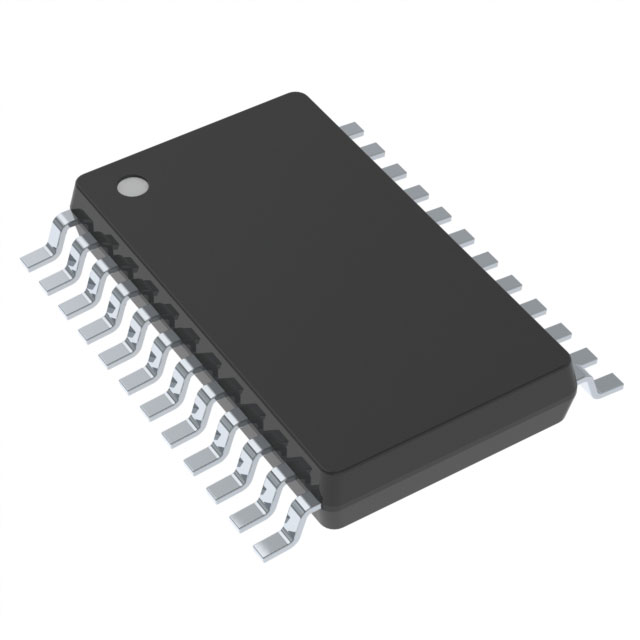
The ATF20V8BQL-15XC is a 20V8 Programmable Logic Device (PLD) IC manufactured by Microchip Technology, featuring 8 macrocells and 15 ns propagation delay in a 24-TSSOP surface mount package. This device is classified as obsolete, making identification of functionally compatible alternatives essential for ongoing system support and new design implementations. The 5V input voltage specification and EE PLD programmable type define the core operational parameters for substitute evaluation.
Substiute Parts
Key Parameters
| Parameter | Value |
|---|---|
| Manufacturer | Microchip Technology |
| Series | 20V8 |
| Number of Macrocells | 8 |
| Speed | 15 ns |
| Voltage - Input | 5V |
| Programmable Type | EE PLD |
| Package / Case | 24-TSSOP (0.173", 4.40mm Width) |
| Mounting Type | Surface Mount |
| Product Status | Obsolete |
Substitute Part Grouping Explanation
Substitute parts for the ATF20V8BQL-15XC are identified based on the following compatibility criteria:
Electrical Compatibility: Input voltage (5V), programmable type (EE PLD), and package form factor (24-TSSOP) must remain consistent to ensure direct functional replacement without circuit redesign.
Mechanical Compatibility: Surface mount configuration and identical package dimensions (24-TSSOP, 0.173" width, 4.40mm) enable direct PCB placement without layout modification.
Performance Parameters: Speed specification (propagation delay) and macrocell count determine logic density and timing characteristics. Substitutes with equal or superior speed ratings and macrocell counts maintain or improve system performance.
Operational Status: Active product status and verified programmability ensure long-term availability and manufacturing support.
The ATF22V10CQZ-20XU qualifies as a substitute based on matching electrical characteristics (5V input, EE PLD type), identical package specification (24-TSSOP), and superior performance metrics (10 macrocells vs. 8, 20 ns vs. 15 ns speed).
Parameter Comparison
| Parameter | ATF20V8BQL-15XC (Main Part) | ATF22V10CQZ-20XU (Substitute) |
|---|---|---|
| Manufacturer | Microchip Technology | Microchip Technology |
| Series | 20V8 | 22V10 |
| Number of Macrocells | 8 | 10 |
| Speed | 15 ns | 20 ns |
| Voltage - Input | 5V | 5V |
| Programmable Type | EE PLD | EE PLD |
| Package / Case | 24-TSSOP (0.173", 4.40mm Width) | 24-TSSOP (0.173", 4.40mm Width) |
| Mounting Type | Surface Mount | Surface Mount |
| Product Status | Obsolete | Active |
| RoHS Status | RoHS non-compliant | ROHS3 Compliant |
Engineering Selection Recommendations
The ATF22V10CQZ-20XU is the qualified substitute for the ATF20V8BQL-15XC based on the following engineering criteria:
Package Compatibility: Both devices utilize the 24-TSSOP surface mount package with identical physical dimensions, enabling direct PCB replacement without layout modification.
Electrical Equivalence: Both devices operate at 5V input voltage and employ EE PLD programmable architecture, ensuring functional compatibility at the circuit interface level.
Performance Characteristics: The substitute provides 10 macrocells compared to 8 in the original part, offering increased logic density. The 20 ns speed specification is slower than the original 15 ns, which must be evaluated against system timing requirements.
Product Availability: The substitute is classified as Active with verified programmability and ROHS3 compliance, providing long-term manufacturing support and regulatory alignment compared to the obsolete status of the original part.
Compliance Status: The substitute meets ROHS3 requirements, addressing environmental and regulatory compliance requirements for new designs and system updates.
Frequently Asked Questions (FAQ)
Q: Can the ATF22V10CQZ-20XU directly replace the ATF20V8BQL-15XC without circuit modification?
A: Direct PCB replacement is possible due to identical 24-TSSOP package specifications and matching 5V input voltage. However, the substitute's 20 ns speed versus the original 15 ns must be verified against system timing constraints. The increased macrocell count (10 vs. 8) does not prevent substitution.
Q: What is the significance of the macrocell count difference?
A: Macrocells determine the logic density and complexity of programmable functions. The substitute's 10 macrocells provide greater functional capacity than the original 8 macrocells, allowing implementation of more complex logic without requiring additional devices.
Q: Does the speed difference (20 ns vs. 15 ns) affect system operation?
A: Speed specification defines maximum propagation delay through the device. The substitute's 20 ns specification is slower than the original 15 ns. System timing analysis is required to confirm that the substitute meets all timing requirements in the target application.
Q: Why is the original part classified as obsolete?
A: Obsolete status indicates that the manufacturer has discontinued production and support. The substitute's Active status ensures ongoing availability and manufacturing support for future requirements.
Q: What does ROHS3 compliance mean for the substitute?
A: ROHS3 compliance indicates conformance to Restriction of Hazardous Substances regulations, restricting specific hazardous materials in electrical and electronic equipment. This compliance status is relevant for applications subject to environmental and regulatory requirements.
Q: Are there any programming differences between the two devices?
A: Both devices employ EE PLD programmable architecture. Programming compatibility depends on the specific design implementation and development tools used. Verification with the target programming environment is recommended.
Alternative Parts

SJ6012L2TP
Littelfuse Inc.
6 Alternative Parts

JMK107BBJ476MA-RE
Taiyo Yuden
10 Alternative Parts

GMK107BBJ475MA-T
Taiyo Yuden
5 Alternative Parts
SJ6020N2ARP
Littelfuse Inc.
3 Alternative Parts
SJ6025R2ATP
Littelfuse Inc.
4 Alternative Parts

2474-05L
API Delevan Inc.
1 Alternative Parts

4590R-684K
API Delevan Inc.
1 Alternative Parts

CM6560R-334
API Delevan Inc.
1 Alternative Parts

CM6460-104
API Delevan Inc.
1 Alternative Parts

5526-12
API Delevan Inc.
1 Alternative Parts