


Request Quote
(Ships tomorrow)
74LVC74APW-Q100J Equivalent & Substitute Parts
Part Overview
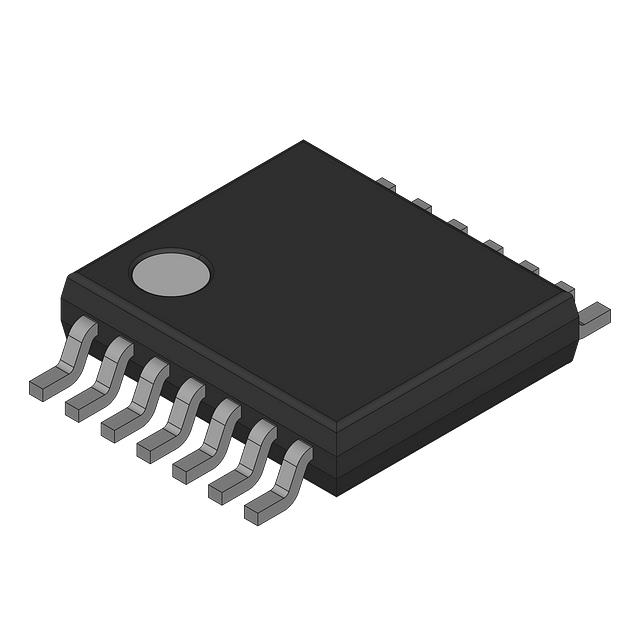
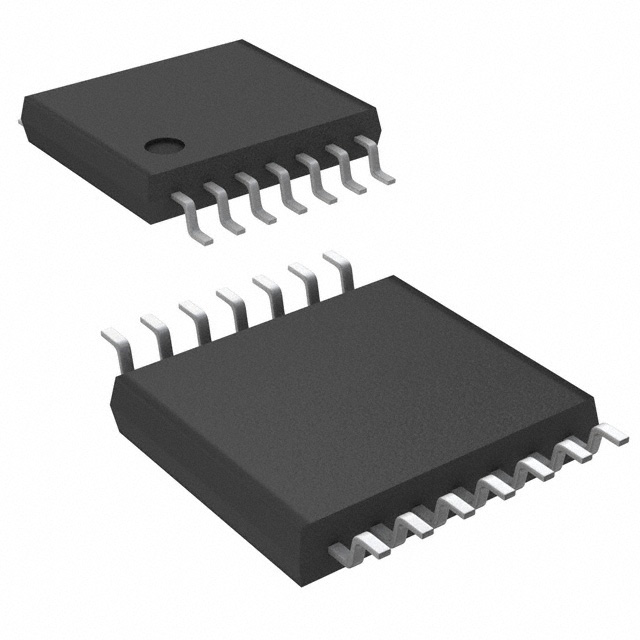
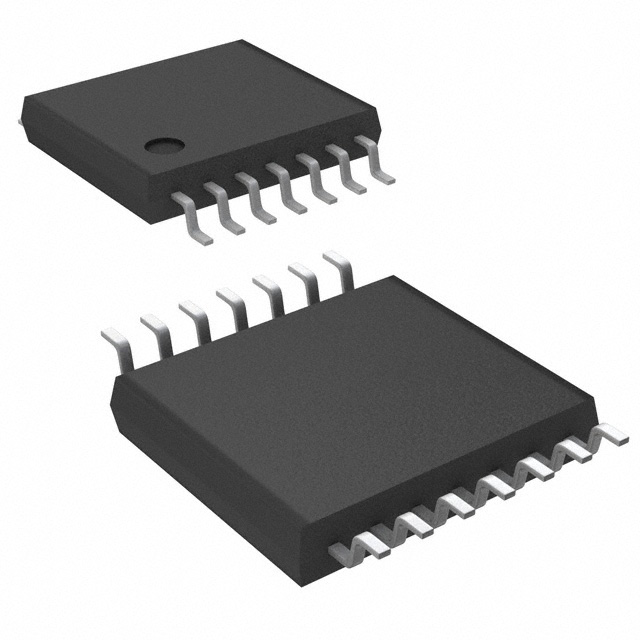
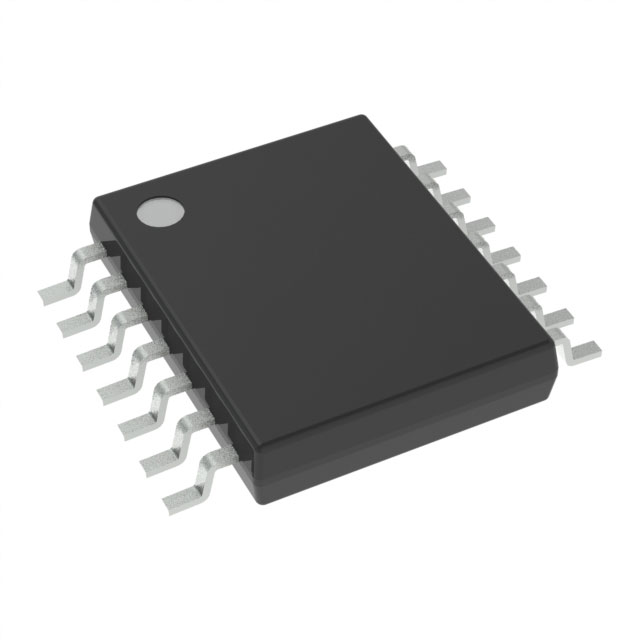
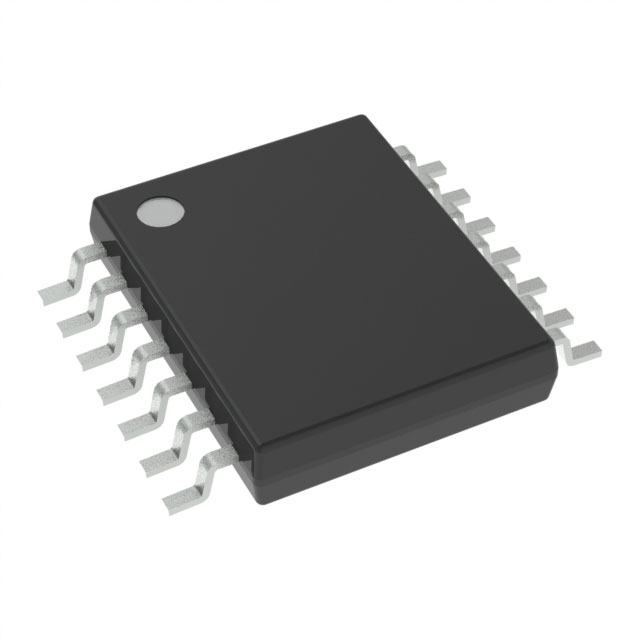
The 74LVC74APW-Q100J is a dual D-type flip-flop logic integrated circuit manufactured by Nexperia USA Inc. in a 14-TSSOP surface mount package. This component is classified as Active product status and is qualified to AEC-Q100 automotive standards. The device provides two independent D-type flip-flops with Set (Preset) and Reset functions, complementary outputs, and positive edge triggering. Substitute parts are necessary when the primary part number becomes unavailable, when alternative packaging formats are required, or when sourcing from different manufacturers is preferred while maintaining electrical and mechanical compatibility.
Substiute Parts
Key Parameters
| Parameter | Value |
|---|---|
| Manufacturer Part Number | 74LVC74APW-Q100J |
| Manufacturer | Nexperia USA Inc. |
| Category | Logic |
| Type | D-Type Flip-Flop |
| Number of Elements | 2 |
| Number of Bits per Element | 1 |
| Output Type | Complementary |
| Clock Frequency | 150 MHz |
| Max Propagation Delay @ 3.3V, 50pF | 5.2 ns |
| Trigger Type | Positive Edge |
| Current - Output High, Low | 24 mA, 24 mA |
| Voltage - Supply | 1.2V ~ 3.6V |
| Current - Quiescent (Iq) | 10 µA |
| Input Capacitance | 4 pF |
| Operating Temperature | -40°C ~ 125°C (TA) |
| Package / Case | 14-TSSOP (0.173", 4.40mm Width) |
| Mounting Type | Surface Mount |
| Grade | Automotive |
| Qualification | AEC-Q100 |
| RoHS Status | ROHS3 Compliant |
| Moisture Sensitivity Level (MSL) | 1 (Unlimited) |
Substitute Part Grouping Explanation
Substitution of the 74LVC74APW-Q100J is determined by the following critical parameters:
Electrical Compatibility Requirements:
- Type: D-Type flip-flop with dual elements (2 elements, 1 bit per element)
- Output Type: Complementary outputs
- Trigger Type: Positive edge triggering
- Function: Set (Preset) and Reset capability
- Clock Frequency: Minimum 150 MHz
- Max Propagation Delay: 5.2 ns or better at 3.3V, 50pF load
- Voltage Supply Range: Must support 1.2V ~ 3.6V or compatible subset
- Current Output: 24 mA minimum for both high and low states
- Operating Temperature: Must cover -40°C ~ 125°C or compatible range
Mechanical Compatibility Requirements:
- Package / Case: 14-TSSOP (0.173", 4.40mm Width)
- Mounting Type: Surface Mount
- Moisture Sensitivity Level: 1 (Unlimited)
Compliance Requirements:
- RoHS3 Compliant
- REACH Unaffected status
Substitute parts are grouped into three categories: Parametric Equivalent (identical electrical specifications with different packaging), Direct Manufacturer (same base function with minor parameter variations), and Similar (compatible function with acceptable parameter deviations within application tolerance).
Parameter Comparison
| Parameter | 74LVC74APW-Q100J (Nexperia) | 74LVC74APW,118 (NXP) | MC74LCX74DTR2G (onsemi) | 74LCX74FT (Toshiba) | MC74LCX74DTG (onsemi) | SN74LVC74AMPWREP (TI) | SN74LVC74AQPWREP (TI) |
|---|---|---|---|---|---|---|---|
| Type | D-Type | D-Type | D-Type | D-Type | D-Type | D-Type | D-Type |
| Number of Elements | 2 | 2 | 2 | 2 | 2 | 2 | 2 |
| Number of Bits per Element | 1 | 1 | 1 | 1 | 1 | 1 | 1 |
| Output Type | Complementary | Complementary | Complementary | Complementary | Complementary | Complementary | Complementary |
| Clock Frequency | 150 MHz | 150 MHz | 150 MHz | 150 MHz | 150 MHz | 100 MHz | 150 MHz |
| Max Propagation Delay @ 3.3V, 50pF | 5.2 ns | 5.2 ns | 7 ns | 7 ns | 7 ns | 5.2 ns | 5.2 ns |
| Trigger Type | Positive Edge | Positive Edge | Positive Edge | Positive Edge | Positive Edge | Positive Edge | Positive Edge |
| Current - Output High, Low | 24 mA, 24 mA | 24 mA, 24 mA | 24 mA, 24 mA | 24 mA, 24 mA | 24 mA, 24 mA | 24 mA, 24 mA | 24 mA, 24 mA |
| Voltage - Supply | 1.2V ~ 3.6V | 1.2V ~ 3.6V | 2V ~ 3.6V | 1.65V ~ 3.6V | 2V ~ 3.6V | 2V ~ 3.6V | 2V ~ 3.6V |
| Current - Quiescent (Iq) | 10 µA | 10 µA | 10 µA | 10 µA | 10 µA | 10 µA | 10 µA |
| Input Capacitance | 4 pF | 4 pF | 7 pF | 7 pF | 7 pF | 5 pF | 5 pF |
| Operating Temperature | -40°C ~ 125°C | -40°C ~ 125°C | -40°C ~ 85°C | -40°C ~ 85°C | -40°C ~ 85°C | -55°C ~ 125°C | -40°C ~ 125°C |
| Package / Case | 14-TSSOP | 14-TSSOP | 14-TSSOP | 14-TSSOP | 14-TSSOP | 14-TSSOP | 14-TSSOP |
| Mounting Type | Surface Mount | Surface Mount | Surface Mount | Surface Mount | Surface Mount | Surface Mount | Surface Mount |
| RoHS Status | ROHS3 Compliant | Not specified | ROHS3 Compliant | ROHS3 Compliant | ROHS3 Compliant | ROHS3 Compliant | ROHS3 Compliant |
| Moisture Sensitivity Level (MSL) | 1 (Unlimited) | 1 (Unlimited) | 1 (Unlimited) | 1 (Unlimited) | 1 (Unlimited) | 1 (Unlimited) | 1 (Unlimited) |
Engineering Selection Recommendations
Parametric Equivalent - 74LVC74APW,118 (NXP Semiconductors)
This part is a parametric equivalent with identical electrical specifications to the 74LVC74APW-Q100J. The primary difference is packaging format (Bulk versus Tape & Reel). Selection is appropriate when bulk packaging meets procurement requirements. Both parts maintain ROHS3 compliance and MSL 1 rating. Inventory availability is significantly higher (56,962 units) compared to the main part.
Direct Manufacturer - MC74LCX74DTR2G (onsemi)
This part maintains core functional compatibility with acceptable parameter variations. The 74LCX series operates within the same 14-TSSOP package and supports identical clock frequency (150 MHz). Propagation delay increases to 7 ns (versus 5.2 ns), and supply voltage range narrows to 2V ~ 3.6V. Operating temperature range reduces to -40°C ~ 85°C. This part is suitable for applications where the reduced temperature range and slightly increased propagation delay are acceptable. ROHS3 compliance and MSL 1 rating are maintained.
Similar - 74LCX74FT (Toshiba Semiconductor and Storage)
This part provides functional compatibility within the 74LCX series. The 14-TSSOP package and 150 MHz clock frequency are maintained. Propagation delay is 7 ns, and supply voltage range is 1.65V ~ 3.6V. Operating temperature range is -40°C ~ 85°C. ROHS3 compliance and MSL 1 rating apply. Selection is appropriate when Toshiba sourcing is preferred and temperature range reduction is acceptable.
Similar - MC74LCX74DTG (onsemi)
This part is functionally compatible with identical specifications to MC74LCX74DTR2G but supplied in Tube packaging instead of Tape & Reel. The 14-TSSOP package, 150 MHz clock frequency, 7 ns propagation delay, and 2V ~ 3.6V supply range apply. Operating temperature is -40°C ~ 85°C. ROHS3 compliance and MSL 1 rating are maintained.
Similar - SN74LVC74AMPWREP (Texas Instruments)
This part maintains 74LVC series compatibility with 5.2 ns propagation delay matching the main part. Clock frequency is reduced to 100 MHz. Supply voltage range is 2V ~ 3.6V, and operating temperature extends to -55°C ~ 125°C. Input capacitance is 5 pF. ROHS3 compliance and MSL 1 rating apply. Selection is appropriate for applications requiring extended low-temperature operation.
Similar - SN74LVC74AQPWREP (Texas Instruments)
This part is fully compatible with the 74LVC74APW-Q100J across all critical parameters. Clock frequency is 150 MHz, propagation delay is 5.2 ns, and operating temperature range is -40°C ~ 125°C. Supply voltage is 2V ~ 3.6V. Input capacitance is 5 pF. ROHS3 compliance and MSL 1 rating are maintained. This part provides the closest functional match with Texas Instruments sourcing.
Frequently Asked Questions (FAQ)
Q: Can I use 74LCX74FT as a direct replacement for 74LVC74APW-Q100J?
A: The 74LCX74FT is functionally compatible within the 14-TSSOP package and maintains 150 MHz clock frequency. However, the operating temperature range is limited to -40°C ~ 85°C (versus -40°C ~ 125°C for the main part), and propagation delay increases to 7 ns. Selection depends on whether your application operates within the reduced temperature range and can tolerate the increased propagation delay.
Q: What is the difference between 74LVC74APW,118 and 74LVC74APW-Q100J?
A: These parts are parametrically identical in electrical specifications. The primary difference is packaging format: 74LVC74APW,118 is supplied in Bulk packaging, while 74LVC74APW-Q100J is supplied in Tape & Reel (TR). The 74LVC74APW,118 does not carry AEC-Q100 automotive qualification. Selection depends on packaging requirements and whether automotive qualification is necessary.
Q: Are all substitute parts RoHS3 compliant?
A: All listed substitute parts are RoHS3 compliant. The 74LVC74APW,118 does not specify RoHS status in the provided data, but all other parts explicitly state ROHS3 compliance.
Q: What is the impact of increased propagation delay in 74LCX series parts?
A: The 74LCX series parts (MC74LCX74DTR2G, 74LCX74FT, MC74LCX74DTG) have propagation delay of 7 ns compared to 5.2 ns for the 74LVC series. This 1.8 ns increase affects timing-critical applications. Selection is appropriate only if your circuit timing budget accommodates the additional delay.
Q: Can I use SN74LVC74AMPWREP if my application requires 150 MHz operation?
A: The SN74LVC74AMPWREP has a maximum clock frequency of 100 MHz, which is below the 150 MHz specification of the main part. This part is not suitable for applications requiring 150 MHz operation. Use SN74LVC74AQPWREP instead, which supports 150 MHz.
Q: What is the significance of the supply voltage range differences?
A: The main part (74LVC74APW-Q100J) supports 1.2V ~ 3.6V, while most substitute parts support 2V ~ 3.6V or 1.65V ~ 3.6V. If your application operates below 1.65V, only the main part and 74LVC74APW,118 are suitable. For applications operating at 2V or above, all substitute parts are compatible.
Q: Are all parts available in the same 14-TSSOP package?
A: Yes, all listed substitute parts use the 14-TSSOP (0.173", 4.40mm Width) package. PCB layout and footprint compatibility is maintained across all parts.
Q: What is the difference between Tape & Reel and Bulk packaging?
A: Tape & Reel (TR) packaging is used for automated assembly processes and is standard for production environments. Bulk packaging is used for manual assembly or lower-volume applications. The electrical specifications remain identical; only the physical packaging format differs.
Alternative Parts

SJ6012L2TP
Littelfuse Inc.
6 Alternative Parts

JMK107BBJ476MA-RE
Taiyo Yuden
10 Alternative Parts

GMK107BBJ475MA-T
Taiyo Yuden
5 Alternative Parts
SJ6020N2ARP
Littelfuse Inc.
3 Alternative Parts
SJ6025R2ATP
Littelfuse Inc.
4 Alternative Parts

2474-05L
API Delevan Inc.
1 Alternative Parts

4590R-684K
API Delevan Inc.
1 Alternative Parts

CM6560R-334
API Delevan Inc.
1 Alternative Parts

CM6460-104
API Delevan Inc.
1 Alternative Parts

5526-12
API Delevan Inc.
1 Alternative Parts