




Request Quote
(Ships tomorrow)
2SC39310CL Equivalent & Substitute Parts
Part Overview
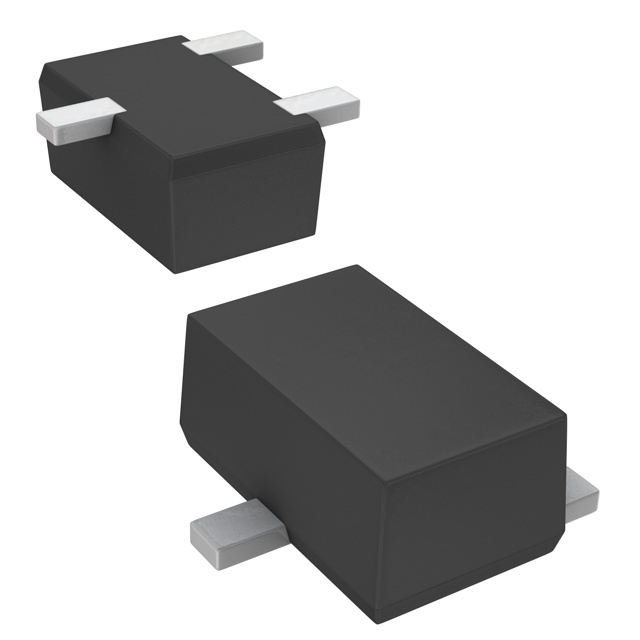
The 2SC39310CL is an RF transistor manufactured by Panasonic Electronic Components, classified as an NPN bipolar junction transistor (BJT) designed for RF applications. This device operates at a transition frequency of 650MHz with a maximum collector-emitter breakdown voltage of 20V and maximum power dissipation of 150mW. The part is mounted in a Surface Mount SC-70 (SOT-323) package designated as SMini3-G1.
The 2SC39310CL is currently listed as obsolete. Identifying equivalent and substitute parts is necessary to maintain design continuity, ensure component availability, and support ongoing production requirements for applications utilizing this RF transistor.
Substiute Parts
Key Parameters
| Parameter | Value | Unit |
|---|---|---|
| Transistor Type | NPN | — |
| Voltage - Collector Emitter Breakdown (Max) | 20 | V |
| Frequency - Transition | 650 | MHz |
| Noise Figure (Typ @ f) | 3.3 | dB @ 100MHz |
| Gain | 24 | dB |
| Power - Max | 150 | mW |
| DC Current Gain (hFE) (Min) @ Ic, Vce | 65 | @ 1mA, 6V |
| Current - Collector (Ic) (Max) | 15 | mA |
| Operating Temperature (TJ) | 150 | °C |
| Mounting Type | Surface Mount | — |
| Package / Case | SC-70, SOT-323 | — |
| RoHS Status | RoHS non-compliant | — |
| Moisture Sensitivity Level (MSL) | 1 (Unlimited) | — |
Substitute Part Grouping Explanation
Substitution of the 2SC39310CL is determined by compatibility across the following critical parameters:
Primary Substitution Criteria:
- Transistor Type: NPN
- Mounting Type: Surface Mount
- Operating Temperature: 150°C (TJ)
- Moisture Sensitivity Level: 1 (Unlimited)
Secondary Compatibility Parameters:
- Voltage - Collector Emitter Breakdown (Max): Must equal or exceed 20V
- Frequency - Transition: Must equal or exceed 650MHz
- Power - Max: Must equal or exceed 150mW
- Current - Collector (Ic) (Max): Must equal or exceed 15mA
- DC Current Gain (hFE): Must meet or exceed 65 @ 1mA, 6V
The substitute parts identified fall into two distinct functional categories based on frequency capability and application scope:
Category 1 - Lower Frequency RF Transistors (550MHz–1GHz):
- 2SC4215-Y(TE85L,F): 550MHz transition frequency, 30V breakdown voltage, 100mW power
- MAX2602ESA+: 1GHz transition frequency, 15V breakdown voltage, 6.4W power
Category 2 - High Frequency RF Transistors (30GHz–60GHz):
- BFP540ESDH6327XTSA1: 30GHz transition frequency, 5V breakdown voltage, 250mW power
- BFP760H6327XTSA1: 45GHz transition frequency, 4V breakdown voltage, 240mW power
- BFP842ESDH6327XTSA1: 60GHz transition frequency, 3.7V breakdown voltage, 120mW power
Category 3 - Multi-Transistor RF Modules:
- HFA3102BZ: 6 NPN transistors, 10GHz transition frequency, 12V breakdown voltage, 250mW power per transistor
Parameter Comparison
| Part Number | Manufacturer | Transistor Type | Voltage - Collector Emitter Breakdown (Max) [V] | Frequency - Transition [MHz] | Noise Figure (dB Typ @ f) | Gain [dB] | Power - Max [mW] | DC Current Gain (hFE) (Min) | Current - Collector (Ic) (Max) [mA] | Operating Temperature (TJ) [°C] | Mounting Type | Package / Case | Product Status | RoHS Status | MSL |
|---|---|---|---|---|---|---|---|---|---|---|---|---|---|---|---|
| 2SC39310CL | Panasonic Electronic Components | NPN | 20 | 650 | 3.3 @ 100MHz | 24 | 150 | 65 @ 1mA, 6V | 15 | 150 | Surface Mount | SC-70, SOT-323 | Obsolete | RoHS non-compliant | 1 |
| 2SC4215-Y(TE85L,F) | Toshiba Semiconductor and Storage | NPN | 30 | 550 | 2–5 @ 100MHz | 17–23 | 100 | 100 @ 1mA, 6V | 20 | 125 | Surface Mount | SC-70, SOT-323 | Active | ROHS3 Compliant | 1 |
| BFP540ESDH6327XTSA1 | Infineon Technologies | NPN | 5 | 30000 | 0.9–1.4 @ 1.8GHz | 21.5 | 250 | 50 @ 20mA, 3.5V | 80 | 150 | Surface Mount | SC-82A, SOT-343 | Active | ROHS3 Compliant | 1 |
| BFP760H6327XTSA1 | Infineon Technologies | NPN | 4 | 45000 | 0.5–0.95 @ 900MHz–5.5GHz | 16.5–29 | 240 | 160 @ 35mA, 3V | 70 | 150 | Surface Mount | SC-82A, SOT-343 | Active | ROHS3 Compliant | 1 |
| BFP842ESDH6327XTSA1 | Infineon Technologies | NPN | 3.7 | 60000 | 0.65 @ 3.5GHz | 26 | 120 | 150 @ 15mA, 2.5V | 40 | 150 | Surface Mount | SC-82A, SOT-343 | Active | ROHS3 Compliant | 1 |
| HFA3102BZ | Renesas Electronics Corporation | 6 NPN | 12 | 10000 | 1.8–2.1 @ 500MHz–1GHz | 12.4–17.5 | 250 | 40 @ 10mA, 3V | 30 | 150 | Surface Mount | 14-SOIC (0.154", 3.90mm Width) | Active | ROHS3 Compliant | 3 |
| MAX2602ESA+ | Analog Devices Inc./Maxim Integrated | NPN | 15 | 1000 | 3.3 @ 836MHz | 11.6 | 6400 | 100 @ 250mA, 3V | 1200 | 150 | Surface Mount | 8-SOIC (0.154", 3.90mm Width) Exposed Pad | Active | ROHS3 Compliant | 1 |
Engineering Selection Recommendations
For Direct Package Compatibility (SC-70/SOT-323):
The 2SC4215-Y(TE85L,F) from Toshiba Semiconductor and Storage provides the closest physical and functional compatibility. Both devices utilize the SC-70 (SOT-323) surface mount package. The 2SC4215-Y(TE85L,F) operates at 550MHz transition frequency, which is lower than the 2SC39310CL's 650MHz specification, but maintains NPN transistor type and surface mount mounting. The 2SC4215-Y(TE85L,F) is currently in active product status and is ROHS3 compliant, addressing the RoHS non-compliance limitation of the obsolete 2SC39310CL. Operating temperature remains at 125°C, which is acceptable for most applications requiring the 150°C rating of the original part.
For Higher Frequency Applications (30GHz–60GHz):
The BFP540ESDH6327XTSA1, BFP760H6327XTSA1, and BFP842ESDH6327XTSA1 from Infineon Technologies are active, ROHS3-compliant alternatives designed for significantly higher frequency operation. These parts utilize the SC-82A (SOT-343) package, which differs from the original SC-70 package. All three devices maintain 150°C operating temperature and MSL 1 rating. Selection among these three depends on specific frequency requirements: BFP540ESDH6327XTSA1 for 30GHz applications, BFP760H6327XTSA1 for 45GHz applications, and BFP842ESDH6327XTSA1 for 60GHz applications.
For Multi-Transistor Integration:
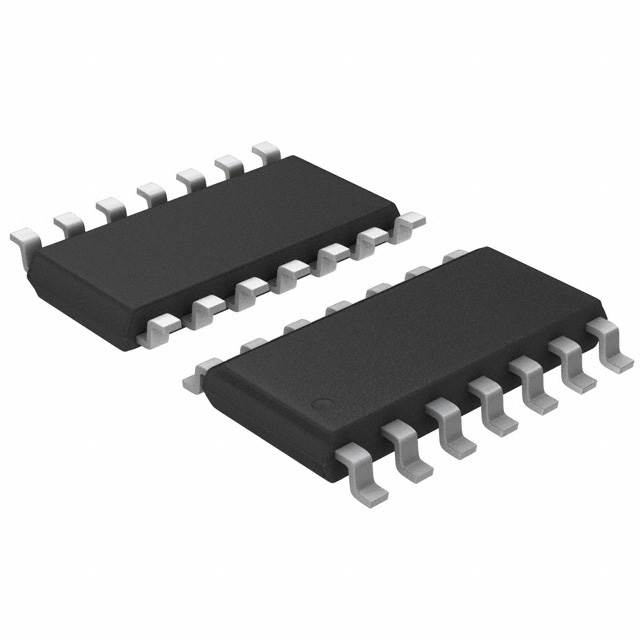
The HFA3102BZ from Renesas Electronics Corporation integrates six NPN transistors in a 14-SOIC package. This device is active and ROHS3 compliant. The HFA3102BZ operates at 10GHz transition frequency and maintains 150°C operating temperature. MSL rating is 3 (168 Hours), which differs from the MSL 1 rating of the original part. This option is suitable for applications requiring multiple RF transistor stages in a single integrated package.
For Power-Intensive Applications:
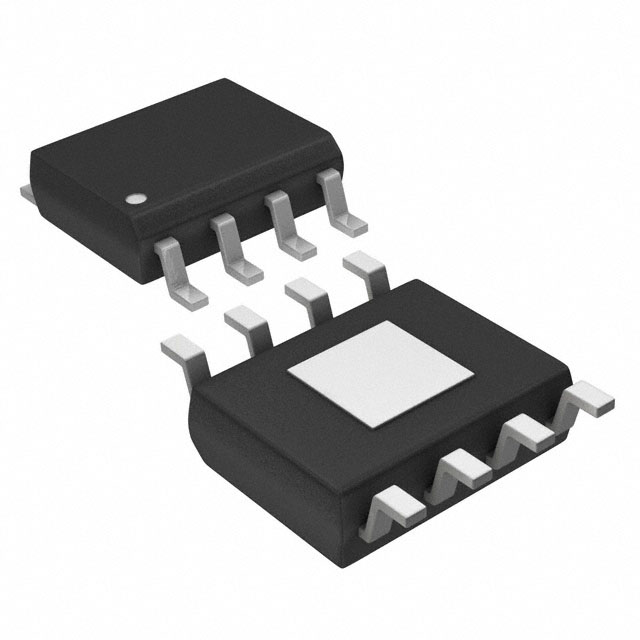
The MAX2602ESA+ from Analog Devices Inc./Maxim Integrated provides significantly higher power dissipation capability (6.4W versus 150mW) and collector current capacity (1.2A versus 15mA). This device operates at 1GHz transition frequency and is housed in an 8-SOIC package with exposed pad. The MAX2602ESA+ is active and ROHS3 compliant with MSL 1 rating. This option is appropriate for applications requiring higher power handling than the original 2SC39310CL.
Frequently Asked Questions (FAQ)
Q: Can the 2SC4215-Y(TE85L,F) be used as a direct replacement for the 2SC39310CL?
A: The 2SC4215-Y(TE85L,F) shares the same SC-70 (SOT-323) surface mount package and NPN transistor type. Both devices maintain MSL 1 rating and 150°C operating temperature capability. The 2SC4215-Y(TE85L,F) operates at 550MHz transition frequency compared to the 2SC39310CL's 650MHz. The 2SC4215-Y(TE85L,F) provides higher collector-emitter breakdown voltage (30V versus 20V) and higher maximum collector current (20mA versus 15mA). The primary difference is the lower transition frequency and reduced maximum power dissipation (100mW versus 150mW). Substitution is appropriate for applications where 550MHz frequency capability is sufficient.
Q: What is the primary difference between the Infineon high-frequency options (BFP540, BFP760, BFP842)?
A: The three Infineon devices differ primarily in transition frequency capability and voltage rating. The BFP540ESDH6327XTSA1 operates at 30GHz with 5V maximum collector-emitter breakdown voltage. The BFP760H6327XTSA1 operates at 45GHz with 4V maximum collector-emitter breakdown voltage. The BFP842ESDH6327XTSA1 operates at 60GHz with 3.7V maximum collector-emitter breakdown voltage. All three devices use the SC-82A (SOT-343) package, differ from the original SC-70 package, and are ROHS3 compliant. Selection depends on the specific frequency requirement of the application.
Q: Why does the HFA3102BZ have a different MSL rating?
A: The HFA3102BZ has an MSL rating of 3 (168 Hours) compared to the 2SC39310CL's MSL 1 (Unlimited). MSL 3 indicates the device requires moisture control during storage and handling, with a maximum floor life of 168 hours after bag opening at 30°C and 60% relative humidity. This difference reflects the larger 14-SOIC package size and integrated multi-transistor design. Applications requiring unlimited shelf life without moisture control should select alternatives with MSL 1 rating.
Q: Are the Infineon high-frequency transistors suitable for 650MHz applications?
A: Yes. The BFP540ESDH6327XTSA1 (30GHz), BFP760H6327XTSA1 (45GHz), and BFP842ESDH6327XTSA1 (60GHz) all exceed the 650MHz transition frequency requirement of the 2SC39310CL. These devices are designed for significantly higher frequency operation and will function at 650MHz. However, their performance characteristics (noise figure, gain, power dissipation) are optimized for their respective higher frequency bands. Selection should consider whether the application requires the extended frequency capability or if a lower-frequency alternative is more appropriate.
Q: What package considerations apply when substituting the 2SC39310CL?
A: The 2SC39310CL uses the SC-70 (SOT-323) surface mount package. The 2SC4215-Y(TE85L,F) maintains this same package, allowing direct PCB layout compatibility. The Infineon devices (BFP540, BFP760, BFP842) use the SC-82A (SOT-343) package, which differs in pin configuration and physical dimensions. The HFA3102BZ uses a 14-SOIC package, which is significantly larger. The MAX2602ESA+ uses an 8-SOIC package with exposed pad. Package changes require PCB redesign and verification of thermal management characteristics.
Q: Is RoHS compliance a critical factor in selecting a substitute?
A: The 2SC39310CL is RoHS non-compliant. All identified substitute parts (2SC4215-Y, BFP540, BFP760, BFP842, HFA3102BZ, MAX2602ESA+) are ROHS3 compliant. RoHS compliance is mandatory for applications subject to European Union Restriction of Hazardous Substances regulations or customer requirements. Selection of a ROHS3-compliant substitute addresses regulatory and compliance requirements that cannot be met by the obsolete 2SC39310CL.
Q: Can the MAX2602ESA+ replace the 2SC39310CL in all applications?
A: The MAX2602ESA+ provides significantly higher power dissipation (6.4W versus 150mW) and collector current capacity (1.2A versus 15mA), making it suitable for power-intensive applications. However, the MAX2602ESA+ uses an 8-SOIC package rather than the SC-70 package of the original part, requiring PCB redesign. The transition frequency is 1GHz, which exceeds the 650MHz requirement. The MAX2602ESA+ is appropriate for applications requiring higher power handling and is not a direct package-compatible replacement.
Q: What is the significance of the DC Current Gain (hFE) parameter in substitution?
A: DC Current Gain (hFE) determines the amplification factor of the transistor at specified collector current and collector-emitter voltage conditions. The 2SC39310CL specifies hFE minimum of 65 @ 1mA, 6V. Substitute parts must meet or exceed this specification at their rated operating conditions to ensure equivalent amplification performance. The 2SC4215-Y(TE85L,F) specifies hFE minimum of 100 @ 1mA, 6V, exceeding the original specification. The high-frequency Infineon devices specify hFE at different operating points (20mA–35mA), reflecting their higher current capability design. Verification of hFE compatibility is essential for circuit performance.
Alternative Parts

SJ6012L2TP
Littelfuse Inc.
6 Alternative Parts

JMK107BBJ476MA-RE
Taiyo Yuden
10 Alternative Parts

GMK107BBJ475MA-T
Taiyo Yuden
5 Alternative Parts
SJ6020N2ARP
Littelfuse Inc.
3 Alternative Parts
SJ6025R2ATP
Littelfuse Inc.
4 Alternative Parts

2474-05L
API Delevan Inc.
1 Alternative Parts

4590R-684K
API Delevan Inc.
1 Alternative Parts

CM6560R-334
API Delevan Inc.
1 Alternative Parts

CM6460-104
API Delevan Inc.
1 Alternative Parts

5526-12
API Delevan Inc.
1 Alternative Parts