 >
>


Product Overview of Texas Instruments LM393DGKR Dual Comparator
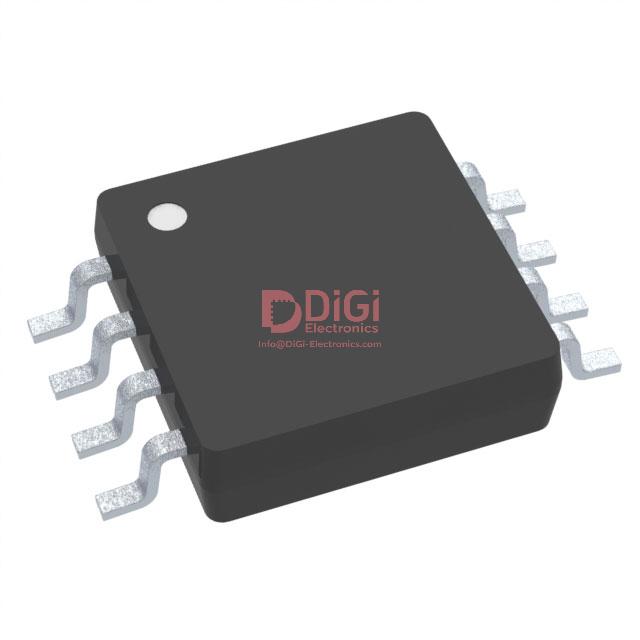
The Texas Instruments LM393DGKR dual comparator is engineered for high reliability in precision voltage comparison tasks across diverse general-purpose applications. Utilizing an 8-VSSOP compact package, the device incorporates two independent open-collector comparator channels, providing invaluable design flexibility and supporting compact circuit architectures. Open-collector outputs enable easy implementation of wired-AND logic, facilitating multi-device interconnection in complex analog or mixed-signal environments. This topology allows for seamless integration into pull-up resistor-configured outputs, optimizing compatibility with both TTL and CMOS logic levels.
At the core of the LM393DGKR lies robust tolerance to varying power supply conditions; it is designed to accommodate supply voltages ranging from 2V to 36V in single-supply operation or ±1V to ±18V for dual-supply architectures. This voltage range ensures resilience across a spectrum of industrial, automotive, and consumer applications, simplifying power domain management in heterogeneous systems. The comparators feature low input offset voltage, minimizing error margins in high-accuracy detection scenarios—crucial for front-end signal conditioning, threshold detection in sensor circuits, and coarse analog-to-digital conversion where stability and repeatability are essential.
From a design perspective, the LM393DGKR’s input common-mode voltage range approaching the negative rail significantly enhances usability in single-supply signal chains, permitting accurate comparison of signals near ground. The device also exhibits fast response times, supporting timing-critical measurement or control feedback loops. High input impedance reduces loading effects on signal sources, maintaining signal integrity in measurement and monitoring setups.
Considerations for circuit implementation involve careful layout to minimize noise pickup on sensitive input lines, especially where low-level analog signals are present. Using decoupling capacitors close to the device's power pins enhances transient immunity. During practical application in threshold-based motor controllers, the LM393DGKR has demonstrated stable switching without spurious toggling, even under fluctuating supply and varying temperature profiles. Solid-state relays and basic window detectors benefit from the device’s low output saturation voltage, ensuring swift and unambiguous logic transitions.
Unique among general-purpose comparators, the LM393DGKR’s output stage supports direct interface with a range of digital logic families, and its inherent open-collector architecture enables flexible logic inversion or level shifting without complex external circuitry. The dual-channel configuration offers cost and board-space efficiency when implementing redundancy or hysteresis control for noise rejection.
Emphasizing robust analog front-end design, the LM393DGKR replaces more complex discrete-transistor comparators, providing standardized behavior and simplifying PCB assembly. Its widespread adoption stems not only from reliability but also from the balanced tradeoff between power consumption, switching speed, and input precision. For engineers targeting dependable analog interface solutions, leveraging the LM393DGKR’s strengths translates into predictable performance and accelerated development cycles, particularly in high-volume or safety-sensitive domains.
Key Features of LM393DGKR Dual Comparator
The LM393DGKR dual comparator integrates core design choices tailored for robust signal discrimination in constrained environments. At its foundation, rail-to-rail input operation ensures the device can accept input voltages spanning the full supply range, including ground, maximizing flexibility in split-rail or single-supply configurations. This capability eliminates the need for level-shifting circuits in situations where the common-mode voltage must track ground or the supply rail, such as sensor conditioning or threshold detection near zero volts.
The open-collector output architecture is crucial for seamless interfacing with diverse logic families. By allowing direct connection to TTL, MOS, and CMOS circuits through easy pull-up resistor selection, the device supports both wired-AND logic and simple level translation. Practical experience demonstrates that these outputs help reduce noise coupling and simplify fail-safe signaling when aggregating multiple comparator outputs; for instance, combining fault indications from various analog channels by tying outputs together enables straightforward alarm architectures.
The wide supply voltage range, stretching from 2V up to 36V (or 38V for B versions), allows deployment across low-voltage digital domains and high-voltage industrial circuits. This adaptability proves fundamental in mixed-voltage systems; a single product revision covers both battery-powered embedded nodes and electrically noisy plant-level controls. Low input offset voltage (±4 mV typical) and low input bias current (25 nA typical) jointly facilitate accurate comparison of weak signals, critical in precision analog front ends where reference and sensed voltages differ by only millivolts. These specs translate into stable trigger points in analog-to-digital conversion supervision, where drift or error propagation would otherwise compromise system reliability.
It is notable that the low quiescent current draw—even under full supply—minimizes thermal loading and enhances resilience during standby operation. Fast response times (1 μs typical) support real-time control loops and high-frequency monitoring, making the device a staple in motor drive current sensors, where rapid decisions are required to avoid hardware overcurrent events. Well-executed ESD protection up to 2 kV (HBM) further attests to the device’s suitability for deployment in installation scenarios prone to electrostatic surges, such as panel assembly or field wiring in building management systems.
Temperature resilience remains a pivotal aspect. The ability to maintain specifications at elevated ambient temperatures (up to 85°C for LM393B) benefits both dense embedded enclosures and edge deployments where environmental controls are limited. This forms an implicit guarantee when using comparators in systems exposed to thermal cycling, such as HVAC controllers or outdoor automation modules; performance and long-term reliability remain consistent even under challenging conditions.
Synthesizing these technical layers, LM393DGKR’s architecture demonstrates a deliberate trade-off, optimizing for low power consumption and signal fidelity without sacrificing response speed or compatibility. Its widespread integration into industrial automation, motor drives, and building control systems highlights the value of component stability under variable supply, noise, and thermal constraints. In applications demanding precise voltage thresholding within analog circuitry, the device’s low offset and bias currents directly contribute to design repeatability and minimized recalibration. This nuanced balance of features supports reliable, energy-efficient installations where comparator faults can propagate operational risk. The LM393DGKR thus represents a strategic engineering solution for cost-sensitive, high-integrity analog interfaces.
Electrical Characteristics and Performance Parameters of LM393DGKR Dual Comparator
Understanding the electrical characteristics of the LM393DGKR dual comparator is vital for robust analog circuit design, especially in applications demanding precision signal discrimination and low-power operation. The device’s core mechanism is based on high-gain differential input stages, enabling accurate voltage comparison across a broad common-mode range. By tolerating differential input voltages up to the supply rails, the comparator interfaces seamlessly with standard analog and low-voltage digital domains, simplifying input stage design and reducing the need for additional protection components.
Critical to performance are the input offset voltage and bias current. A maximum input offset voltage of ±4 mV ensures reasonable accuracy for standard applications, while enhanced versions such as LM393B and LM2903B—with typical offset voltages as low as ±0.37 mV—facilitate the detection of subtle voltage differences. This low offset performance is particularly advantageous in threshold detection, window comparator circuits, and low-level analog sensing, where minimizing error propagation is critical. Input bias current, typically 3.5 nA for advanced variants, limits interaction with high-impedance sources and preserves signal integrity in sensitive front-end stages. The standard LM393’s 25 nA bias current, though slightly higher, remains well-suited for most microvolt-level signal processing tasks.
Output stage parameters augment signal compatibility and drive flexibility. The device’s open-collector topology enables wired-AND logic and level shifting, with a low-level output voltage of 400 mV at a 4 mA sink current ensuring reliable logic ‘low’ detection even under moderate loading. Output current capability up to 20 mA instantaneous allows direct driving of small relays, optoisolators, or indicator LEDs without auxiliary buffers, simplifying board-level implementations and reducing part count.
Temporal response is characterized by a typical propagation delay of 1 μs, which is adequate for frequency discrimination, pulse shaping, and edge detection routines in analog-digital conversion interfaces. This response speed balances switching performance with immunity to high-frequency noise—crucial in environments with variable supply or fluctuating ground references. In practice, careful PCB layout and input filtering enhance this immunity, further stabilizing comparator behavior.
Quiescent current consumption, typically ranging from 0.6 to 0.8 mA, supports implementation in battery-powered and energy-constrained systems. Such low static current enables continuous monitoring applications, such as window or brownout detection, without imposing significant overhead on power budgets. The combination of low quiescent consumption and wide supply compatibility (often from 2V up to 36V) allows seamless integration into diverse energy profiles, from IoT sensor nodes to automotive subsystems.
From a circuit integration perspective, these parameters provide latitude to optimize designs for specific thresholds, speed, and loading scenarios. For example, by leveraging ultra-low input bias current and minimized offset variants, sensitive charge detection and precision instrumentation can be realized without complex calibration. Conversely, the ample output drive and open-drain structure facilitate robust, noise-tolerant digital interfacing, reducing risks associated with transmission line effects on longer routing paths.
A nuanced understanding of these layered characteristics—input accuracy, bias management, output capability, temporal response, and power consumption—enables careful tailoring of configuration and system-level tradeoffs. This granularity, often underutilized in rapid prototyping, is instrumental in achieving reliable, repeatable analog performance over temperature, supply, and application lifetime. Integrating design insight with empirical practices, such as guarding inputs or minimizing stray capacitance at high-impedance nodes, consistently improves the practical utility of the LM393DGKR in demanding analog and mixed-signal environments.
Thermal and Environmental Ratings of LM393DGKR Dual Comparator
Thermal and environmental robustness are critical for comparator IC deployment within high-density electronic assemblies. The LM393DGKR dual comparator, in its VSSOP package, exhibits a junction-to-ambient thermal resistance in the vicinity of 200°C/W. This relatively high value mandates careful thermal management practices during board design. Thermal vias under the package footprint and maximized copper pour directly beneath the IC are practical methods to enhance heat transfer, preventing localized temperature spikes that could degrade performance or reliability. Such strategies are especially pertinent in densely populated PCBs, where airflow is limited and thermal gradients pose operational risks.
Environmental survivability is further strengthened by the device’s compliance with RoHS3 directives, ensuring absence of hazardous materials and compatibility with green manufacturing standards. Its Moisture Sensitivity Level 1 rating provides unlimited exposure time in the ambient atmosphere prior to reflow soldering, simplifying logistics for automated line processes and permitting extended storage. This is beneficial where large-scale, staggered assembly operations occur, mitigating risk of device degradation from humidity or prolonged pre-assembly wait times.
Operating temperature range—0°C to 70°C for standard LM393 variants, and up to 85°C for LM393B—enables versatility for applications spanning commercial to light industrial environments. In temperature-controlled installations, such as precision measurement equipment or signal conditioning modules, device thermal boundaries support sustained accuracy. In field deployments, such as HVAC controllers or edge devices in moderately harsh environments, extended maximum storage and operating ratings offer additional margin against unpredictable ambient excursions, underpinning system reliability.
Electrostatic discharge protection for the LM393DGKR reaches 2 kV under Human Body Model testing, affording robust handling resistance during manufacturing and field service scenarios. ESD resilience is a crucial safeguard in environments rife with manual interaction or where board-level interfacing exposes inputs to transient surges.
It is noteworthy that for optimal long-term reliability, device placement should prioritize minimal thermal coupling with high-power dissipating components, and layout must ensure shortest thermal paths to ambient. When integrating comparators in designs subjected to frequent cycling or thermal shock, the intrinsic package and die strength reduce the risk of bond failure or parameter drift, provided that assembly follows JEDEC-recommended reflow profiles.
A layered evaluation of the LM393DGKR’s thermal and environmental parameters reveals that package selection, layout engineering, assembly logistics, and end-use scenario alignment collectively determine operational integrity. Attention to these intertwined subsystems during the design phase yields comparator circuits with superior resilience, supporting predictable behavior even under challenging ambient and handling conditions. This holistic perspective underscores that, beyond datasheet figures, practical engineering insight is required to fully realize the comparator’s environmental and thermal strengths.
Package Types and Pin Configuration for LM393DGKR Dual Comparator
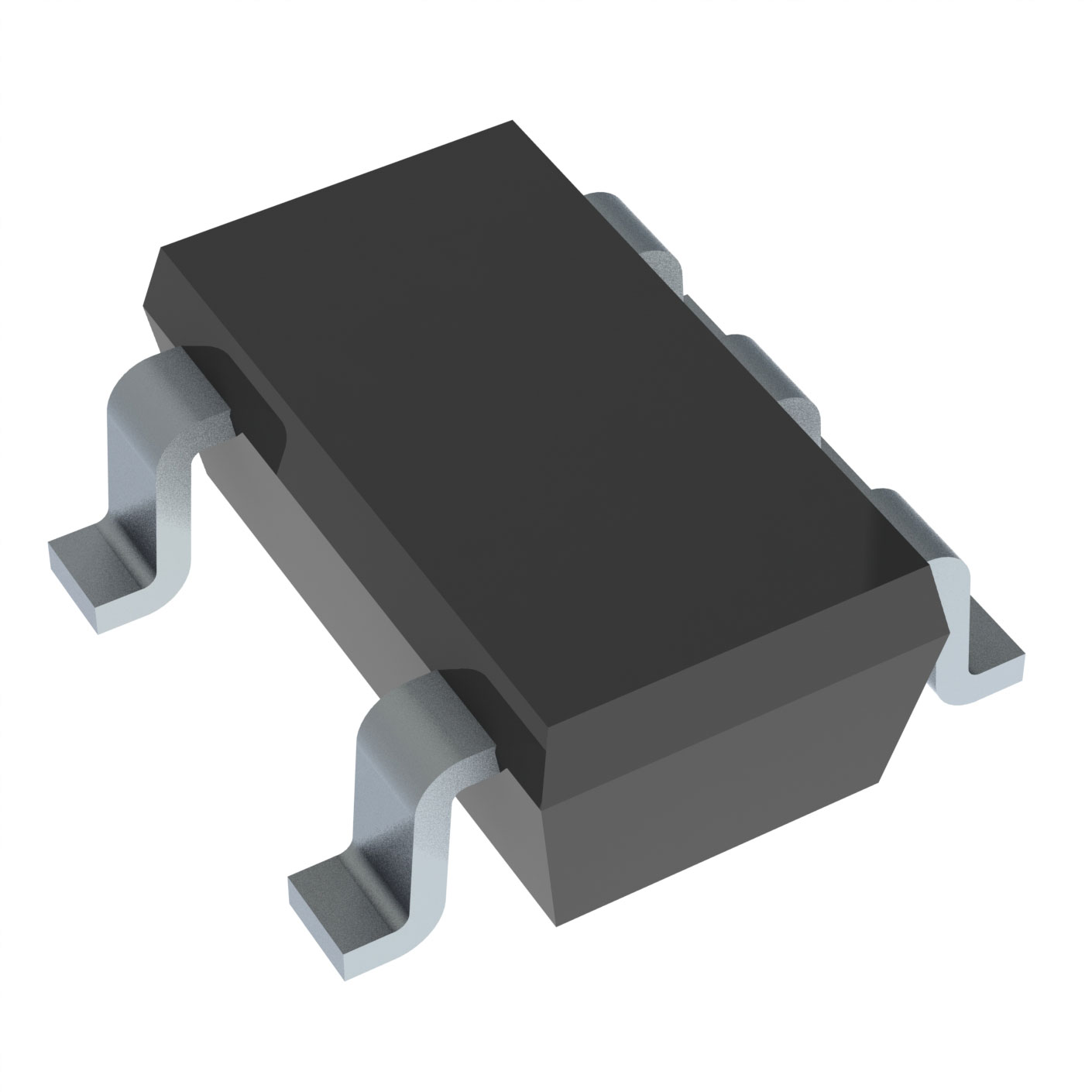
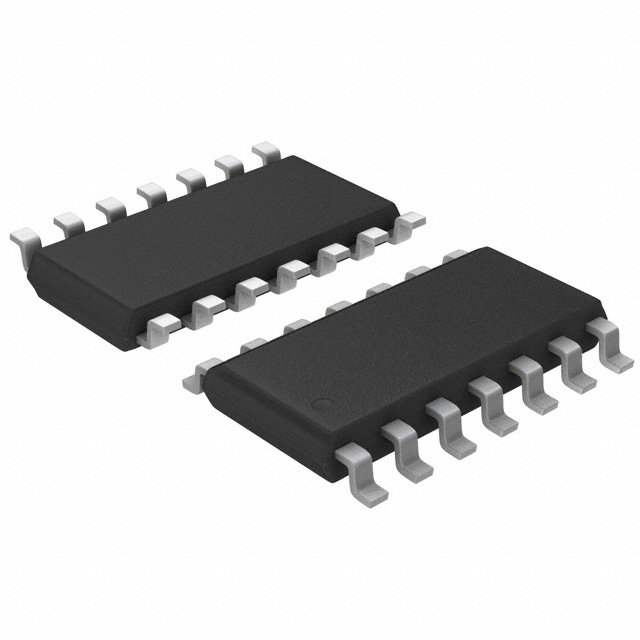
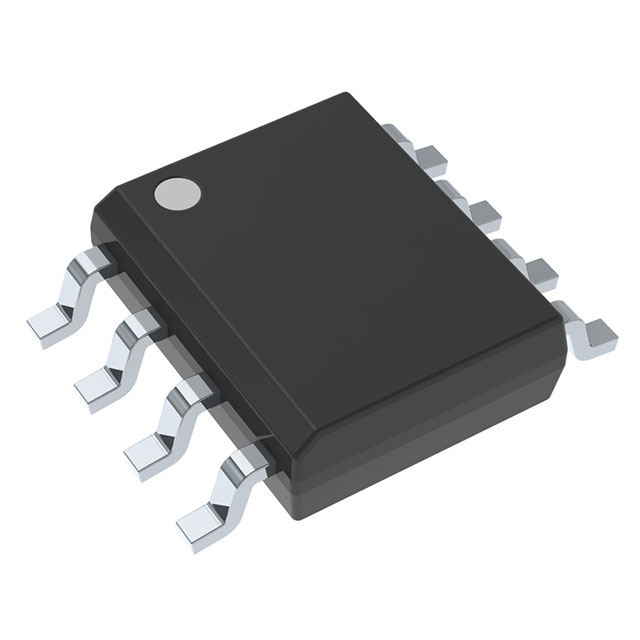
The selection of package types and pin configuration for the LM393DGKR dual comparator introduces significant engineering implications, affecting both circuit design and process optimization. The device is available in several packages—8-VSSOP, SOIC, PDIP, TSSOP, SOT-23, and WSON—each offering distinct trade-offs in terms of board space, thermal performance, and assembly methods. The 8-VSSOP package, for example, maximizes density by minimizing footprint, which is particularly advantageous in portable electronics and high-channel-count systems where PCB real estate is constrained. Larger packages, such as PDIP or SOIC, lend themselves to hand assembly or prototyping environments due to their ease of handling.
The consistent 8-pin configuration—comprising two pairs of differential inputs (1IN+, 1IN-, 2IN+, 2IN-), two open-drain outputs (1OUT, 2OUT), a single Vcc, and ground—provides robust design modularity. This standardization streamlines schematic capture, PCB layout reuse, and device stocking, supporting seamless migration between package options when requirements shift from rapid prototyping to mass production. The open-drain outputs, in particular, expand the flexibility of interfacing with differing logic levels and power rails, offering reliable signal-level translation and wired-AND logic implementation in mixed-signal topologies.
Thermal considerations require precise attention to detail. Packages such as WSON incorporate an exposed thermal pad, which, when soldered to a ground plane, enables efficient heat dissipation. This feature is critical in applications encountering high ambient temperatures or extended comparator operation, ensuring junction temperature remains within specification and service reliability is not compromised. Layout guidelines recommend maximizing the ground pad contact area and supplementing with thermal vias in multilayer boards to optimize heat flow away from the device.
The universality of the dual comparator’s pinout simplifies drop-in replacement scenarios, reducing engineering effort associated with footprint redesign and comparison module integration in both analog signal conditioning and digital logic interfacing. Experience demonstrates that pin compatibility minimizes costly layout errors during revisions and accelerates time-to-market with proven reference designs. In high-volume manufacturing, this compatibility is further leveraged by automated optical inspection routines, which recognize standard footprints and enhance yield management.
Beyond hardware convenience, the package flexibility and standard pinout offer latent benefits in system architecture. Designers can configure modular analog front-ends or scalable measurement chains, confidently adapting the comparator function across board iterations without risking disruptions in electrical or thermal performance. By establishing a consistent interface, the LM393DGKR and its package variants enable efficient scaling—an essential property when expanding from pilot runs to full-scale products or integrating subsystem upgrades.
The intersection of package engineering, standardized pin mapping, and thermal optimization forms a foundation for both agile prototyping and rigorous industrial deployment. Capitalizing on these attributes reveals opportunities for reducing non-recurring engineering costs, enhancing board-level reliability, and sustaining design continuity across diverse application domains. While packaging is often seen as a secondary concern, strategic selection and layout integration underpin product robustness and manufacturability, confirming their vital role in comparator deployment.
Application Scenarios for LM393DGKR Dual Comparator
Application scenarios for the LM393DGKR dual comparator are closely shaped by its internal architecture and operational features, which facilitate precise signal processing tasks across demanding engineering environments. The device’s core design—characterized by a fast propagation delay (1 μs typ), low input offset voltage, and exceptionally low quiescent current—enables rapid, accurate comparisons between analog voltages while ensuring minimal energy consumption. This combination directly addresses the requirements of battery-powered and compact systems, where thermal management and efficiency are crucial.
In server power supply modules, the LM393DGKR’s swift response time allows accurate threshold detection for undervoltage or overcurrent events, supporting reliable fault monitoring and enabling prompt protective actions. The open-collector outputs permit direct integration with a wide range of digital circuitry, reducing board complexity and supporting multi-voltage system architectures. A practical implementation involves configuring the comparator to monitor critical points in the power rails, generating interrupt signals for supervisory microcontrollers. The flexibility in output interface helps minimize signal reflection and noise coupling in densely packed PCBs.
Reverse polarity detection in motor drive applications leverages the comparator’s precision to safeguard control electronics and actuators. The device can be configured to sense polarity changes and immediately activate protective switching logic. The robust input tolerance and low power draw reduce component stress during transient events. In deployments where rapid recovery is essential, such as automated conveyors or robotic arms, the LM393DGKR ensures response times that match the operational cadence, without compromising battery lifetime or overall system reliability.
Building automation often utilizes sensor feedback loops for environmental control. Here, the LM393DGKR serves as a real-time signal conditioner, comparing sensor outputs against reference levels to drive alarms, actuators, or communication triggers. Its resistance to latch-up and high noise immunity are advantageous when deployed adjacent to HVAC relays or lighting ballasts, enabling consistent logic-level conversion despite electrical disturbances.
Infotainment and instrumentation clusters in automotive applications require reliable signal conditioning. The comparator acts as an intermediary, preprocessing analog sensor data before it enters digital control pathways. Its rapid switching and high input impedance minimize loading effects and facilitate multiplexed data acquisition. The open-collector design further supports wired-AND configurations and facilitates system diagnostics by allowing simple fault isolation routines.
Designs for battery-powered appliances, such as cordless instruments or personal medical devices, prioritize both power efficiency and footprint minimization. The LM393DGKR’s low quiescent current aligns well with sleep-mode architectures and systems needing long standby durations. The package options (e.g., SOT-23-8) allow high-density layouts, fitting dual comparators into constrained spaces without sacrificing signal fidelity. In practical scenarios, pairing the comparator with low-leakage passive components enhances stability and repeatability in threshold detection circuits.
Engineering decisions around comparator selection significantly impact design robustness and scalability, particularly when integrating mixed-signal subsystems. The LM393DGKR’s parameters, such as common-mode range and output drive strength, should be evaluated in the context of anticipated signal levels and transient conditions. Integration with MCU-based platforms becomes straightforward due to the device’s clear, TTL-compatible outputs, supporting synchronized event handling and streamlined firmware development.
The LM393DGKR’s inherent electrical and packaging versatility, combined with its proven operational characteristics, render it an optimal choice for system designs requiring real-time, low-power, and robust analog comparison. Thoughtful circuit implementation unlocks scalable and maintainable architectures, where rapid, reliable threshold detection is foundational to system performance. Through experience, layered integration of signal conditioning, protection, and feedback functions using the LM393DGKR has shown to enhance operational resilience while minimizing design iterations and field failures.
Potential Equivalent/Replacement Models for LM393DGKR Dual Comparator
The search for potential equivalent or replacement models to the LM393DGKR dual comparator centers on identifying devices that not only match form factor and electrical interface but also deliver measurable improvements in key parameters. Within Texas Instruments’ product portfolio, several comparators align pin-for-pin and exhibit enhancements that address legacy limitations while enabling more robust analog front-end design.
At the component level, alternatives such as the LM393B distinguish themselves with significant reductions in input offset voltage, benefiting precision threshold detection in noisy environments. The expansion of the supply voltage range in upgraded models like LM393B extends compatibility with mixed-voltage architectures, enhancing flexibility in system integration without necessitating redesigns of the power supply rails. Design teams leveraging this device migrate with minimal layout changes, immediately realizing lower propagation delay—an advantage for time-critical analog applications, including pulse detection and fast fault monitoring.
For use cases demanding stable operation across wide temperature fluctuations, the LM293, LM293A, and the LM193 offer extended operating ranges into industrial or military-grade environments. Selecting such variants mitigates risks of parameter drift, ensuring repeatable response regardless of ambient conditions. The LM193, in particular, brings added robustness via military-grade qualification, making it apt for aerospace, transportation, or mission-critical industrial controls.
The LM393A, by introducing alternative combinations of offset voltage and input bias current, supports applications where current budget is tightly constrained and offset balance is critical for maintaining comparator threshold fidelity. Meanwhile, the LM2903 and LM2903B cater to performance-oriented commercial platforms, with the ‘B’ variants offering even lower input offset—essential for sensor interfaces or analog signal monitoring, where microvolt-level precision impacts system accuracy.
When mechanical or regulatory demands require automotive or similar grade assurance, the LM2903V and LM2903AV serve as direct replacements, integrating V-grade reliability parameters. This streamlining allows for faster qualification cycles during product refreshes and supports the deployment of legacy designs into new compliance domains.
In practical system design, migration to these improved variants frequently results in measurable board-level gains: reduced error rates in comparator-driven ADC wake-ups, improved noise immunity in analog multiplexing schemes, and enhanced response linearity after extended field operation. Such changes often align with a broader industry insight—a shift toward deeper analog performance margins as digital signal processing and IoT aggregation push legacy analog interfaces to their limits.
Careful consideration of propagation delay, input common-mode voltage range, and supply flexibility can yield performance and reliability advantages unavailable in older generations. When mapping out selection, pin compatibility and system-level parameter improvements should be prioritized, leveraging advanced comparator families to future-proof analog design platforms while maintaining backward compatibility—a nuanced but often underestimated pathway to engineering longevity.
Conclusion
The Texas Instruments LM393DGKR dual comparator stands as a cornerstone component for precision analog interface design, where robust operation and energy efficiency are critical. At the silicon level, its open-collector output architecture enables direct interfacing with logic devices and flexible pull-up voltage control, ensuring seamless adaptation to diverse system voltages. Operating across a broad input common mode range and wide temperature spectrum, the device consistently delivers low-input offset voltage and fast propagation delay. This stability is especially valuable in precision monitoring, zero-crossing detection, and threshold sensing within industrial and automotive circuits.
Scalability emerges from its efficient power profile, supporting dense multi-comparator deployments in battery-operated systems or distributed sensor arrays, where thermal performance and long lifecycle reliability are paramount. The availability of multiple package options—from space-saving SOT-23 to industry-standard SOIC and TSSOP—simplifies both high-density PCB layouts and legacy hardware retrofits. Its pin-to-pin compatibility with enhanced TI comparators streamlines future upgrades or dual-sourcing strategies, minimizing long-term obsolescence risks.
Selecting LM393DGKR often unlocks direct design benefits: in voltage window detectors, its low leakage current reduces error margins; in microcontroller supervisory circuits, its immunity to transient noise protects against spurious resets; and in pulse-width modulated regulation or analog front-end isolation, the consistent switching behavior enhances overall signal integrity. Careful attention to pull-up resistor value selection and output level monitoring, based on application drive capacity, enables optimal timing performance and EMI reduction.
Many integrated designs gravitate to the LM393DGKR for its proven field resilience and cost-performance balance, especially when predictable analog decision-making must coexist with complex digital ecosystems. Its enduring relevance stems from the equilibrium it maintains between design headroom, feature stability, and broad secondary sourcing support—qualities that keep it central in evolving analog-centric platforms.